Ground Beef
$2.38per plate
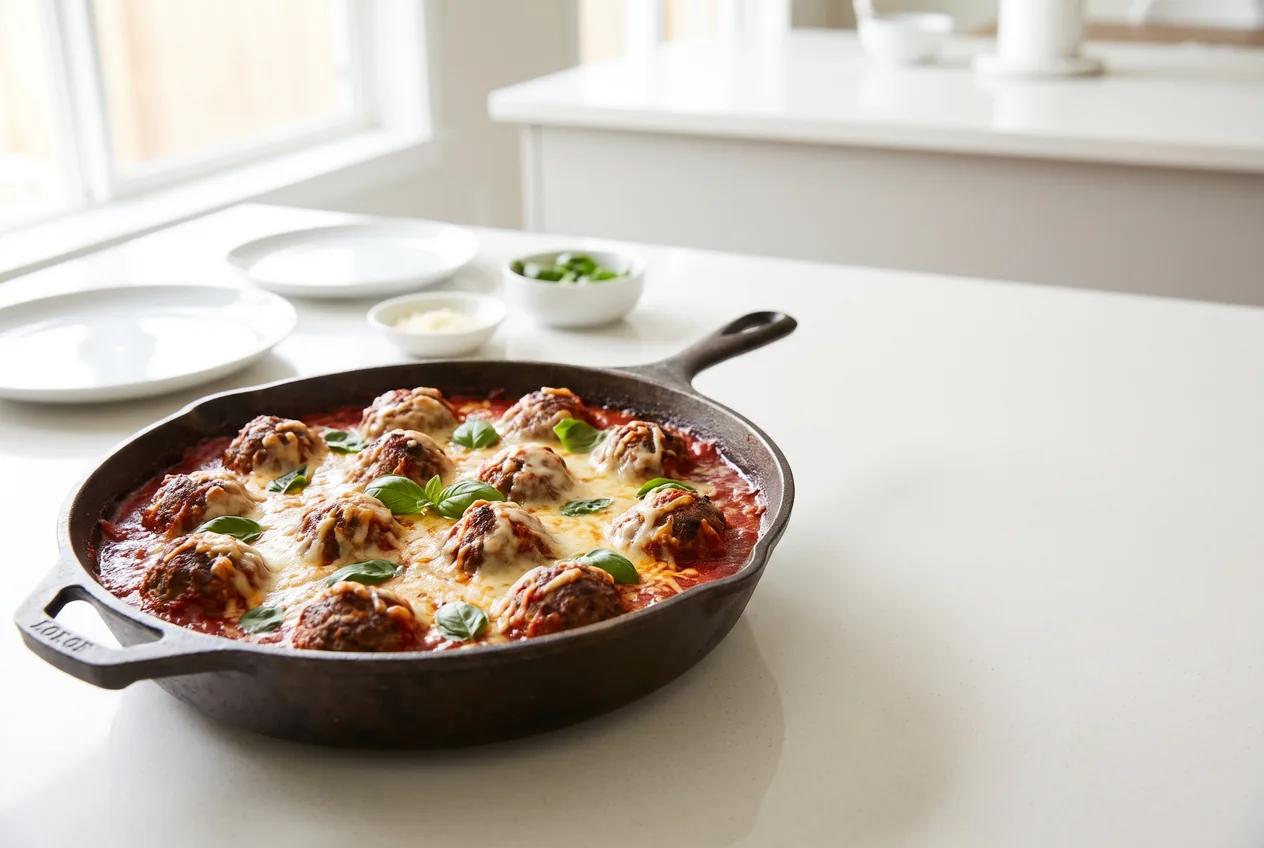
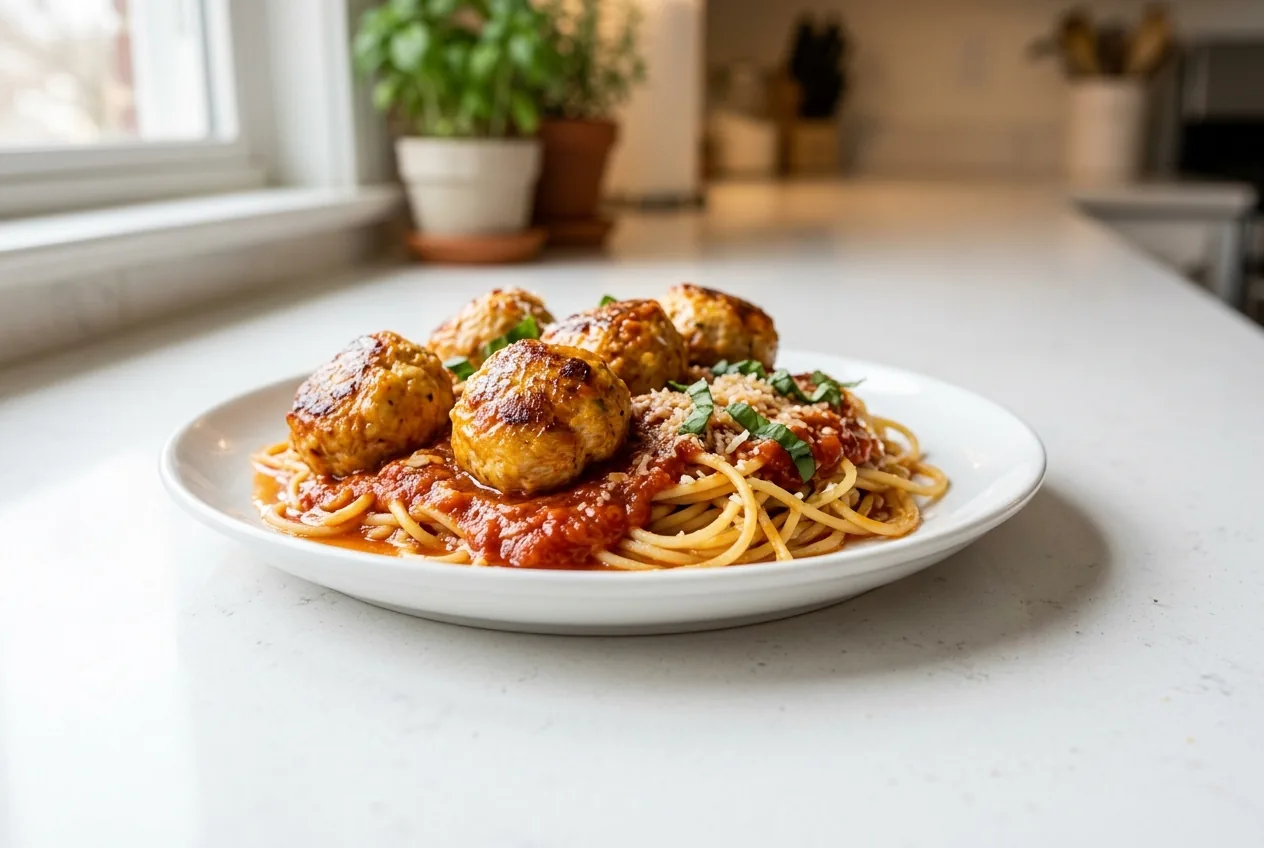
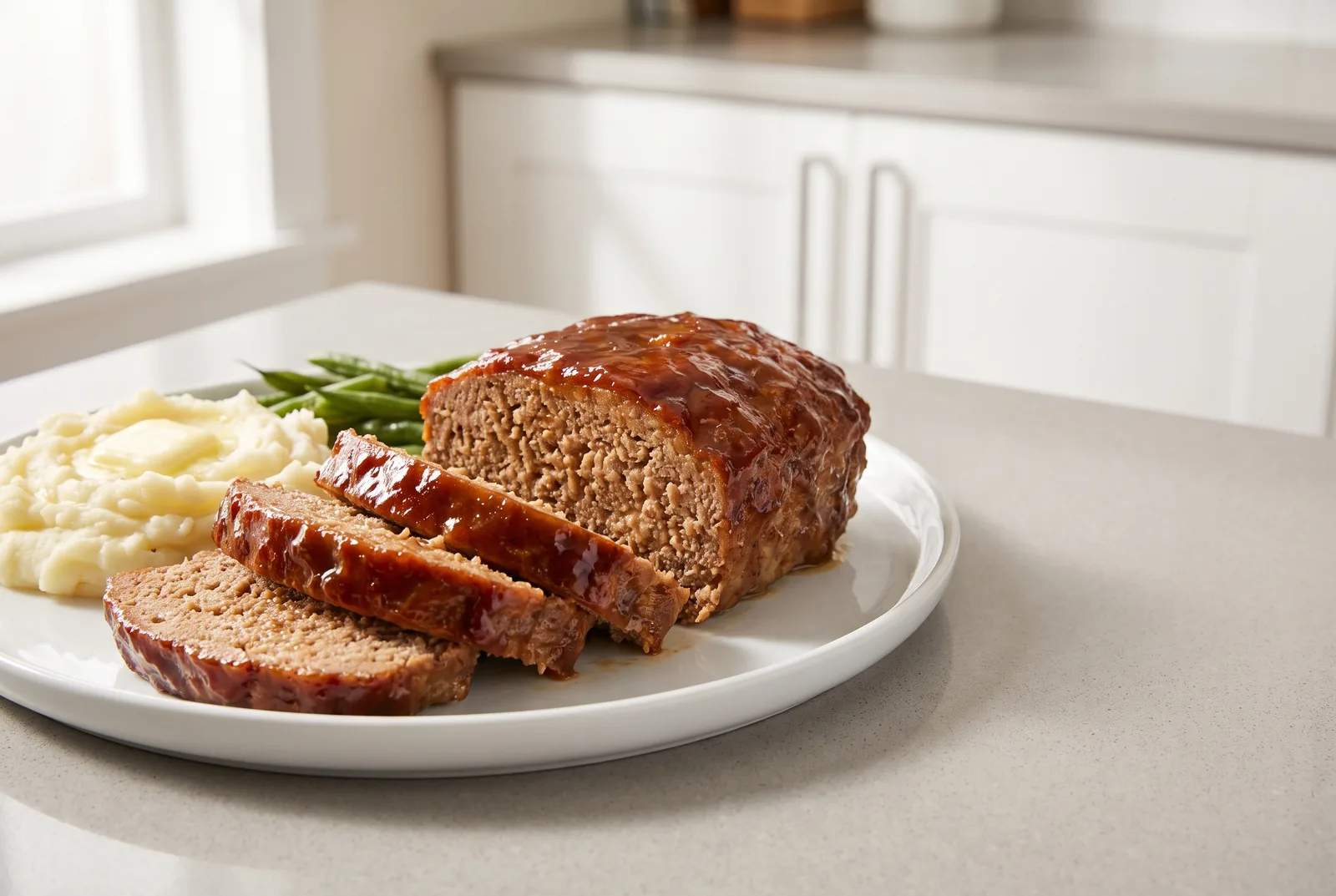
One pound of ground beef becomes two dozen meatballs, and baking them on a sheet pan instead of frying means no splatter, no standing at the stove, and a whole tray done at once. A little breadcrumb and egg keep them tender, and once baked they go anywhere: into marinara over pasta, onto a sub roll, or straight into the freezer for a future dinner. Six servings land a little over a dollar twenty-five a plate. Where our meatloaf is one big loaf, these are the portable, freeze-and-grab version of the same cheap comfort. At 7g of carbs a serving they freeze into the handiest portions in our low-carb dinners.
Recipe from Budget Plates · https://www.budgetplates.com/meatball-recipes
Stir the breadcrumbs with the milk and let them sit a minute to soften. This soaked-crumb trick is what keeps baked meatballs moist instead of dense.
Add the beef, egg, parmesan, onion, garlic, and seasonings and mix with your hands just until combined. Overmixing packs the meat tight and makes the meatballs tough, so stop as soon as it holds.
Roll into about 24 even balls and space them on a lined sheet pan. Bake at 400 F for 15 to 18 minutes, until browned and cooked through at 160 F. A rack over the pan lets the fat drip away.
Simmer the baked meatballs in marinara for a few minutes to serve, or cool and freeze them for later.
Baked meatballs keep in the fridge for up to 4 days, and they hold up especially well sitting in a little sauce.
They are made for the freezer: freeze on a tray until solid, then bag for up to 3 months. Drop them frozen straight into simmering sauce to reheat.
Warm them through in marinara on the stove, or microwave with a spoon of sauce so they do not dry out. From frozen, simmer in sauce for about 15 minutes.
Per-serving figures are estimated from standard ingredient data and are not medical or dietary advice.
Soak the breadcrumbs in a little milk before mixing, do not overwork the meat, and pull the meatballs at 160 F. Finishing them in a few minutes of simmering sauce keeps them juicy too.
Baking is easier and cleaner for a batch: no splatter, no standing over the pan, and they all cook evenly at once. Frying gives a slightly crustier outside if that is what you are after.
Yes, they freeze beautifully. Freeze the baked meatballs in a single layer, then bag them, and drop them straight from frozen into simmering sauce. They are one of the best things to batch-cook and stash.
The estimated $7.71 total divided across 6 servings is about $1.28 each, not counting the sauce you serve them with. What you pay for beef is the main variable.
As an Amazon Associate, Budget Plates may earn from qualifying purchases.
Feeding a crowd tonight? This one is also part of our Easy Family Dinner Recipes collection.