Chicken
$2.29per plate
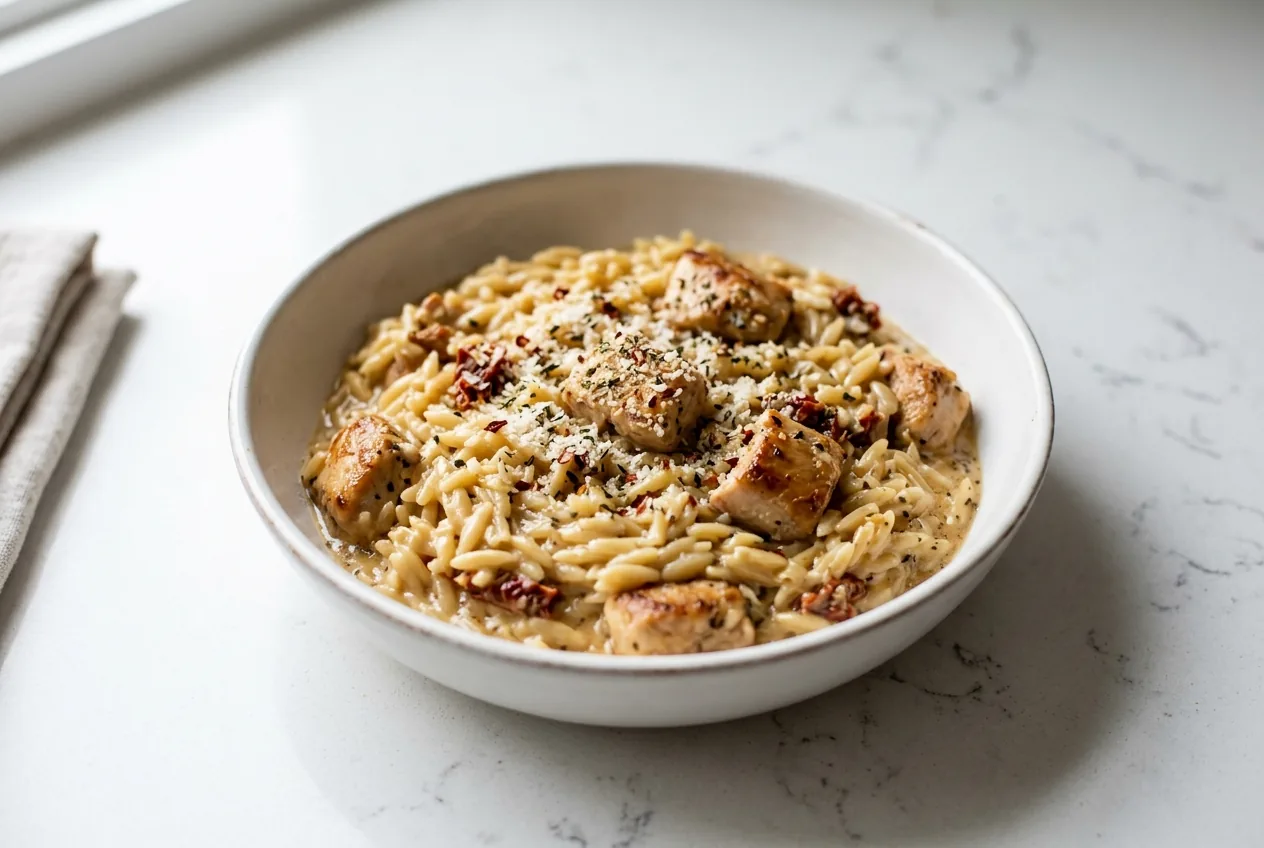
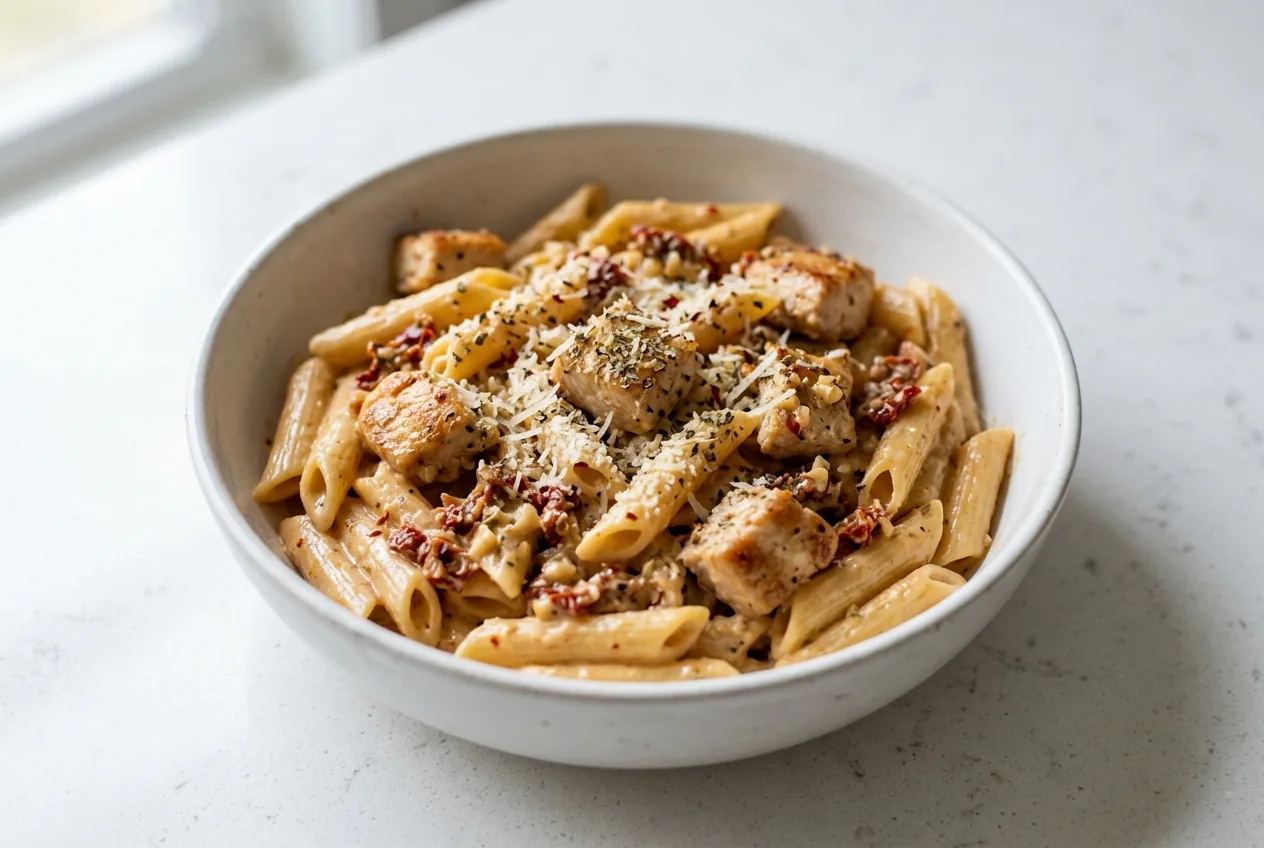
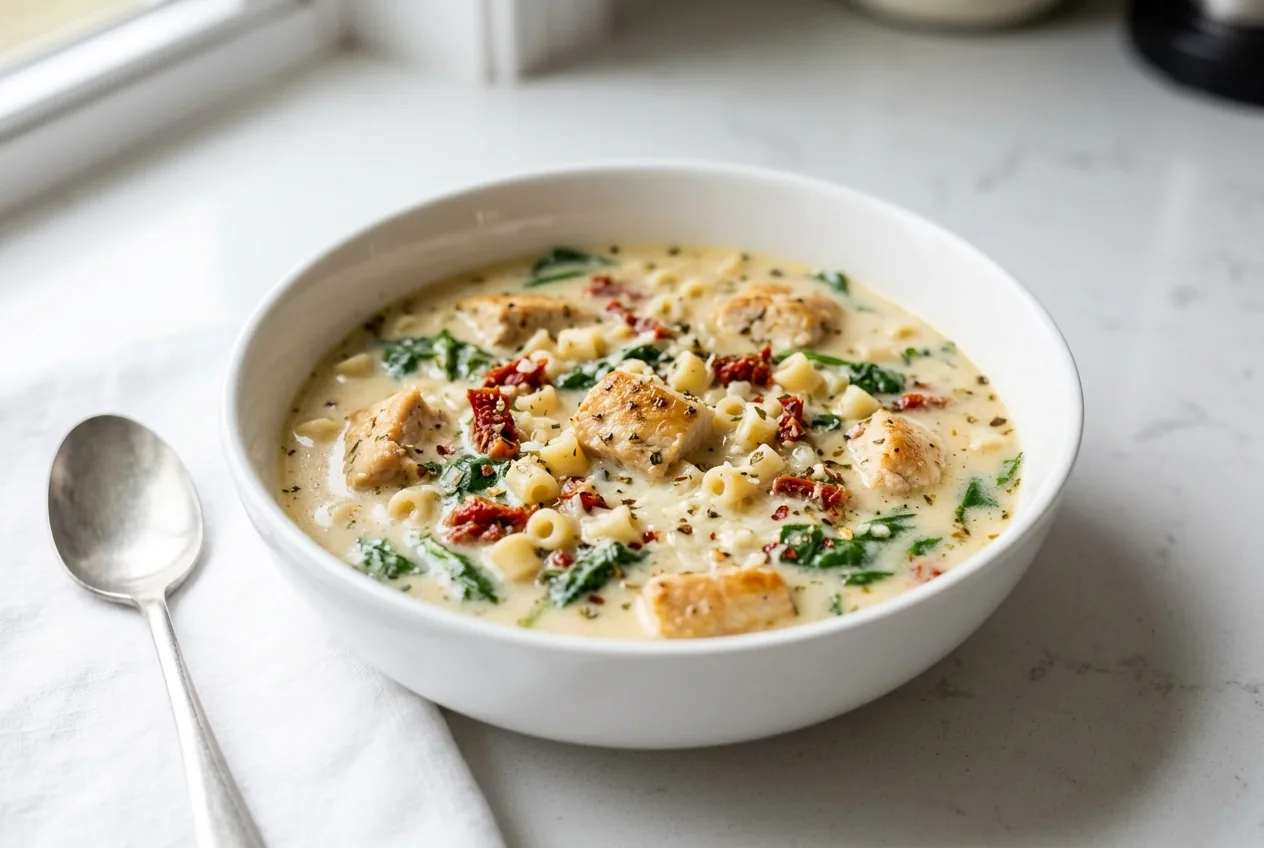
Marry Me Chicken Orzo turns the famous creamy sun-dried tomato chicken into a one-pan dinner where the orzo cooks right in the sauce, soaking up all that garlic-Parmesan flavor. Bite-size chicken browns first, then the little rice-shaped pasta simmers in broth and cream until it is tender and creamy, with no separate pot to drain. It is the whole meal in one skillet for about a dollar seventy a plate. Prefer the classic skillet version with whole chicken, or a penne dinner instead? Try our Marry Me Chicken or Marry Me Chicken Pasta.
Recipe from Budget Plates · https://www.budgetplates.com/marry-me-chicken-orzo
Pat the bite-size chicken dry, season with salt and pepper, and brown it in the oil in a large skillet over medium-high for about 5 minutes, until golden but not fully cooked. Remove it to a plate; it will finish later so it does not overcook and dry out.
Lower the heat to medium. Add the garlic and orzo and stir for a minute or two until the orzo smells nutty and turns lightly golden. Toasting keeps the grains separate and adds flavor, and stirring now helps stop them from sticking later.
Stir in the sun-dried tomatoes, Italian seasoning, and the chicken broth, scraping up any browned bits. Bring to a simmer, then cook 9 to 11 minutes, stirring often, until the orzo is tender and most of the broth is absorbed. Orzo needs roughly twice its volume in liquid and likes to stick, so keep it moving and add a splash more broth if the pan goes dry before it is done.
Turn the heat to low and stir in the cream and Parmesan. Keep it at a gentle simmer, never a hard boil; boiling is what makes a cream-and-Parmesan sauce break or turn grainy. Stir until it is smooth and creamy.
Add the chicken and any juices back to the pan and stir it through. Simmer gently for 2 to 3 minutes, just to finish cooking the chicken to 165 F and warm it in the sauce. Returning it at the end keeps it juicy.
The orzo is done when it is tender with a little bite, creamy but not gummy or soupy; if it is too thick, loosen it with a splash of broth. Add the red pepper flakes, taste for salt, and serve right away, since orzo keeps drinking up the sauce as it sits.
Refrigerate leftovers in an airtight container for up to 3 days. The orzo keeps absorbing the sauce, so it firms up; loosen it with a splash of broth or milk when reheating.
Creamy orzo can be frozen for up to 2 months, though the texture softens and the sauce may separate slightly. Freeze in portions and stir well as it reheats.
Reheat gently on the stovetop or in the microwave at half power, stirring in a splash of broth or milk to bring the sauce back and loosen the orzo. High heat will make it gummy or greasy.
Estimates per serving, calculated from standard ingredient data. Not a substitute for medical advice.
Orzo is a small, rice-shaped pasta. In this dish it cooks right in the skillet, absorbing the broth and cream, so you get a creamy one-pan dinner with no separate pot to drain. It is pasta, not rice, though it looks similar.
Toast it first, stir often as it simmers, and pull it off the heat when it is tender with a little bite. Too much time or too little stirring makes it gummy, and serving it right away helps, since it keeps drinking up the sauce.
Add the cream and Parmesan over low heat and keep the pan at a gentle simmer, never a hard boil. Boiling is what makes a cream sauce split. If it thickens too much, loosen it with a splash of broth.
About $8.55 for the whole skillet, five servings, so roughly $1.71 each. The chicken, cream, Parmesan, and sun-dried tomatoes are the main costs, and it is a full one-pan meal. Any side is figured separately.
As an Amazon Associate, Budget Plates may earn from qualifying purchases.