 Dinner 1
Pantry
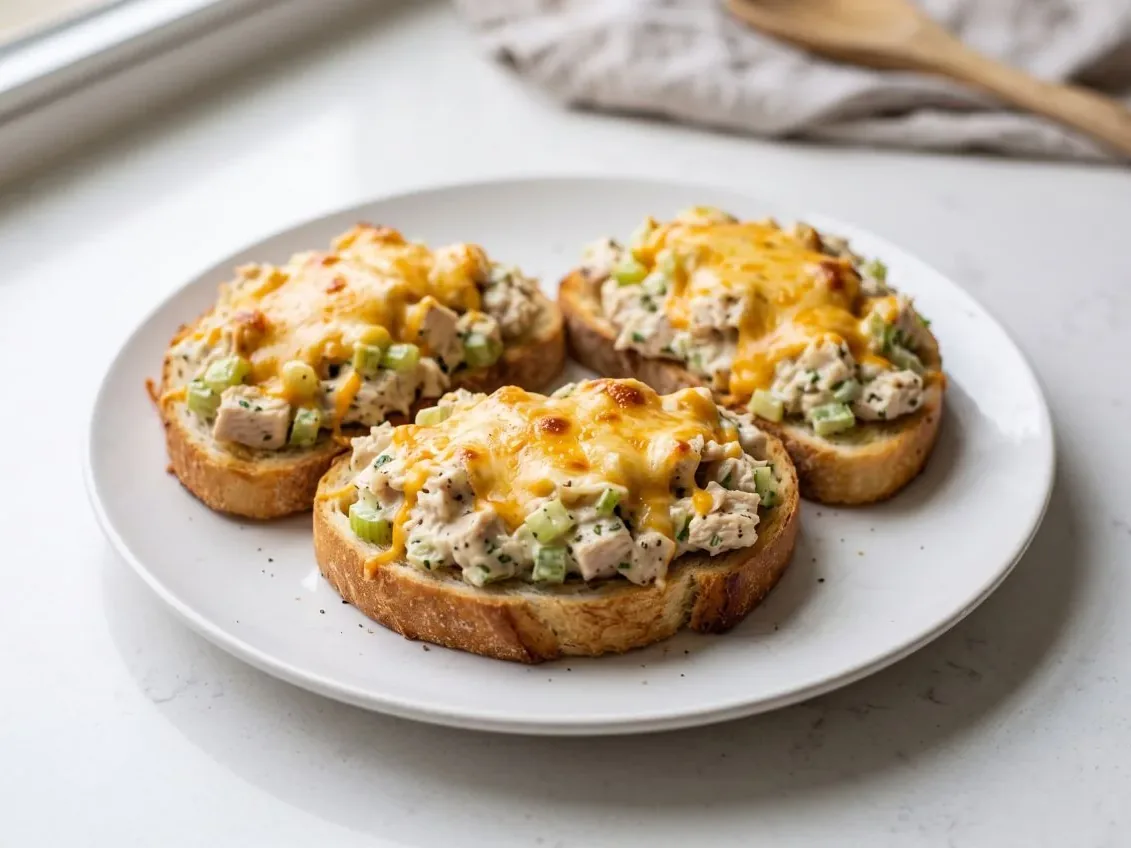
Canned Chicken Salad Melts
$1.67 per serving
- Est. cost$6.67
- Time15 min
- Serves4
Serves 4 - enough for 2, about 2 servings of leftovers.
Plan a week of affordable dinners for two and see the estimated cost before you shop - with a consolidated grocery list built from your plan. Household size tailors the plan, but recipes keep their published quantities (most serve four), so expect planned leftovers, not tiny pots. Free, no sign-up.
Dinner 1
$1.67 per serving
Serves 4 - enough for 2, about 2 servings of leftovers.
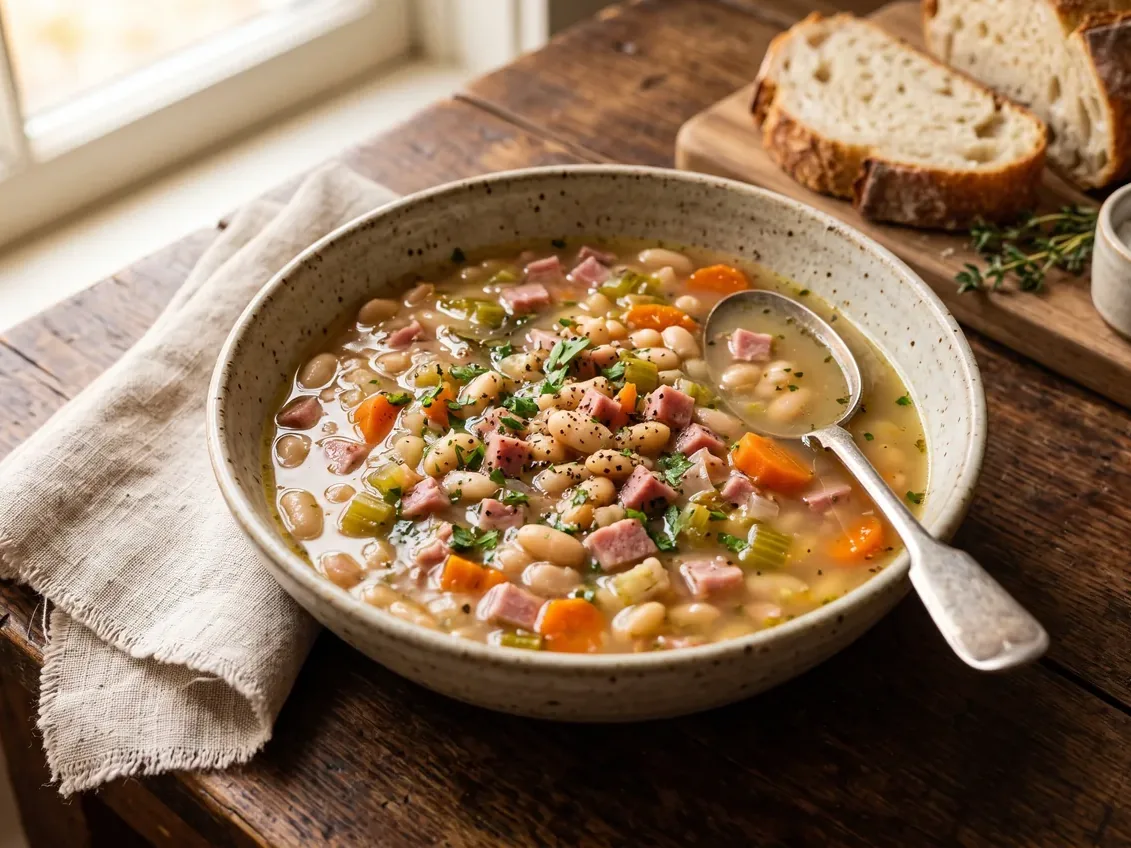 Dinner 2
$0.89 per serving
Serves 6 - enough for 2, about 4 servings of leftovers.
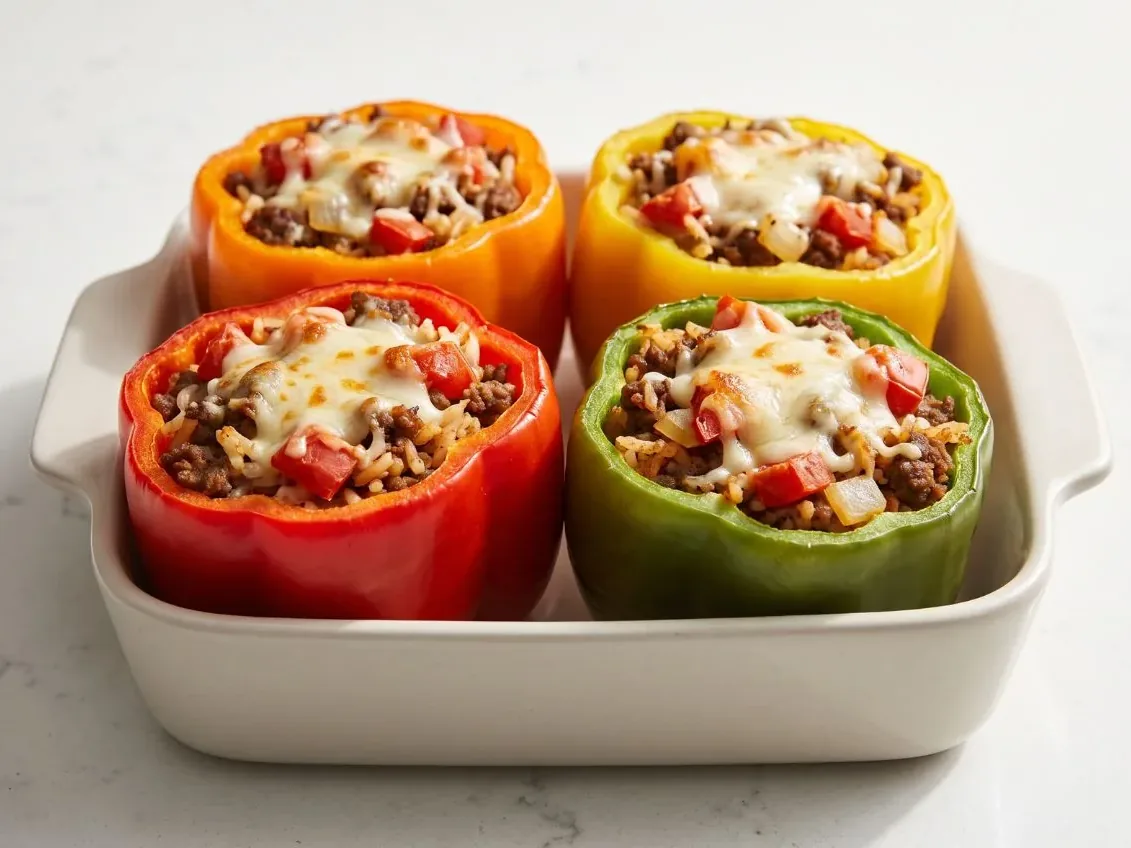 Dinner 3
$2.06 per serving
Serves 4 - enough for 2, about 2 servings of leftovers.
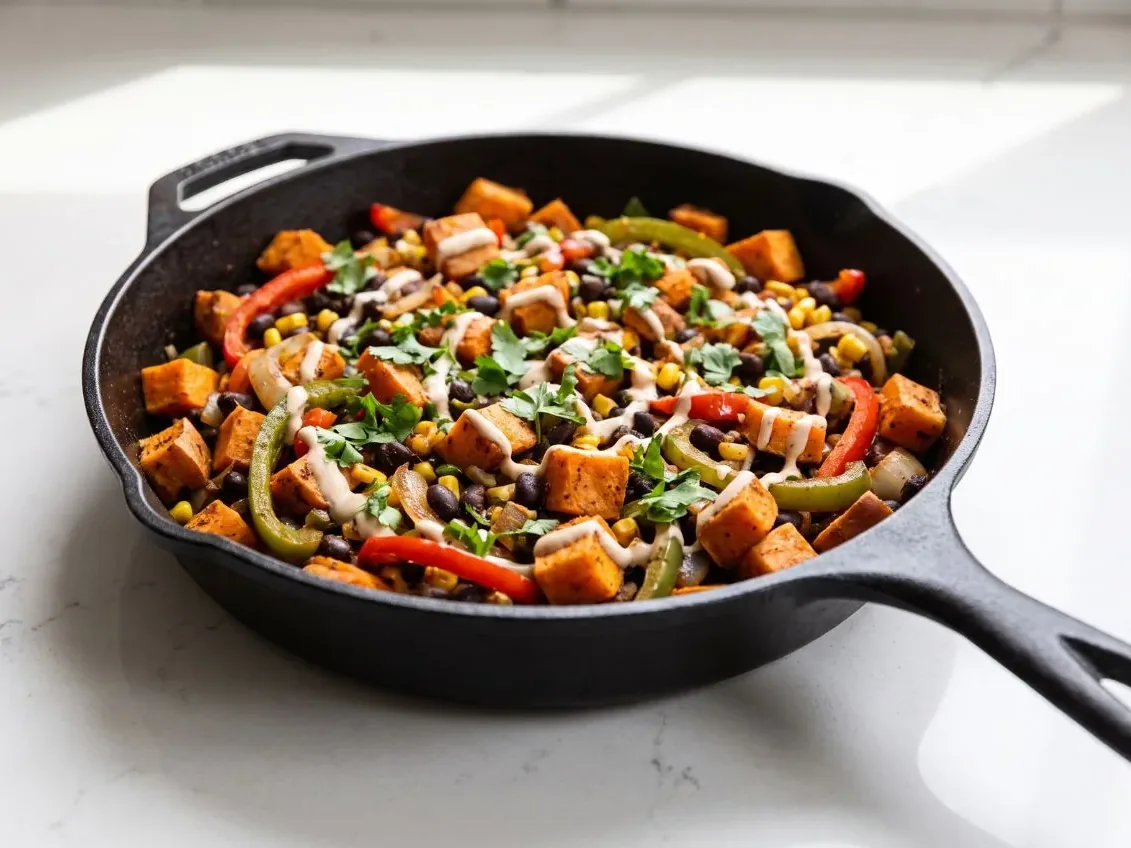 Dinner 4
$1.21 per serving
Serves 4 - enough for 2, about 2 servings of leftovers.
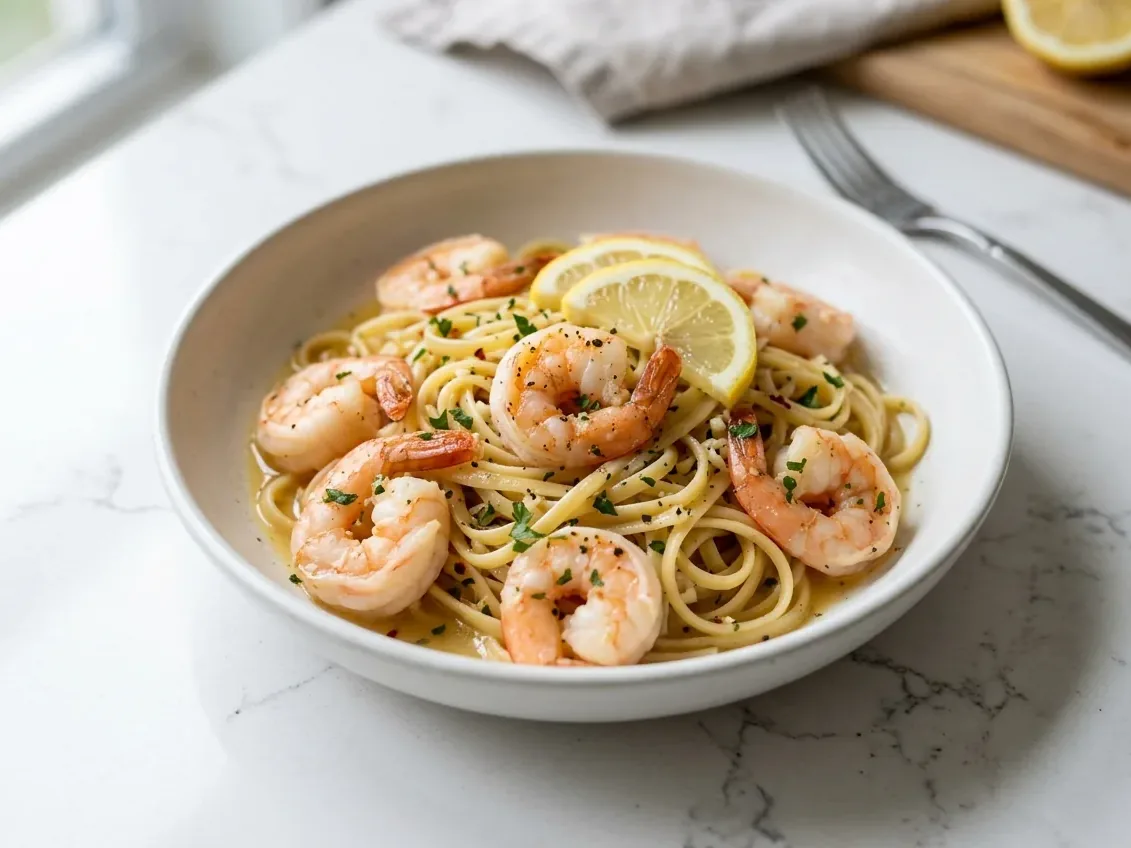 Dinner 5
$1.97 per serving
Serves 4 - enough for 2, about 2 servings of leftovers.
22 grocery items · 8 pantry checks · for 5 dinners
This plan reuses 5 practical grocery ingredients across meals - Garlic in 3 meals, Shredded cheese (any melting blend) in 3 meals, Yellow onion in 3 meals.
Ground Beef Stuffed Peppers, Sweet Potato & Black Bean Skillet
Ham and Bean Soup
Canned Chicken Salad Melts, Ham and Bean Soup
Shrimp Scampi
Ham and Bean Soup, Sweet Potato & Black Bean Skillet, Shrimp Scampi
Shrimp Scampi
Sweet Potato & Black Bean Skillet
Ham and Bean Soup, Ground Beef Stuffed Peppers, Sweet Potato & Black Bean Skillet
Ground Beef Stuffed Peppers
Ham and Bean Soup
Shrimp Scampi
Canned Chicken Salad Melts, Ground Beef Stuffed Peppers, Sweet Potato & Black Bean Skillet
Sweet Potato & Black Bean Skillet
Canned Chicken Salad Melts
Ground Beef Stuffed Peppers
Ham and Bean Soup
Ham and Bean Soup
Sweet Potato & Black Bean Skillet
Shrimp Scampi
Ground Beef Stuffed Peppers
Shrimp Scampi
Canned Chicken Salad Melts
Staples and seasoning blends these recipes use - check what you have before buying.
Sweet Potato & Black Bean Skillet
Canned Chicken Salad Melts
Ham and Bean Soup, Shrimp Scampi
Sweet Potato & Black Bean Skillet
Ham and Bean Soup
Ground Beef Stuffed Peppers
Canned Chicken Salad Melts
Shrimp Scampi
A consolidated ingredient checklist for the plan above - not an exact checkout list. Package sizes and local prices vary, and pantry staples should be checked before buying. Recipe cost estimates cover ingredients used and do not equal a store checkout total.
We couldn't find enough dinners that serve your household within that estimated budget.
This planner builds a varied week of dinners for a two-person household and adds up the estimated cost before you shop. Every price is the estimated cost of the ingredients each recipe uses, at typical U.S. grocery prices - not an exact checkout total, since stores, brands, and package sizes all move the real number.
One thing we will not pretend: household size helps tailor the plan, but individual recipes keep their published quantities, and most Budget Plates dinners serve four or more as written. Planning for two here means most meals cook once and feed you twice - the planner tells you the expected leftover servings on every card, so nothing about the cost or the quantities is a surprise.
Across every published Budget Plates recipe, the median cost lands around $1.50 per serving, and a whole as-written dinner - four or more servings - usually costs between about $5 and $15 in ingredients. That is why the default budget here is $40 for five dinners: most varied five-dinner plans come in between $25 and $45, and because the recipes serve more than two, that same money is really buying dinners plus lunches.
If you want to push lower, set the budget to $30 and lean on the under-$2-per-plate dinners; the planner will tell you honestly if no plan fits and suggest a workable amount from a real plan it found. If a week looks tight, dropping from five dinners to three is usually the gentlest fix, because the leftover servings from three cooked dinners often cover another night anyway.
A four-serving skillet for two people is not a mistake - it is tomorrow's lunch, cooked while the pan was already hot. The trick is planning for those portions instead of discovering them: pack them straight into containers when you plate dinner, and they become the default lunch instead of a fridge mystery. Every recipe page carries its own storage, freezer, and reheating guidance, so you can decide the moment you cook whether a portion is for the fridge or the freezer.
Quick skillets and stir-fries reheat best within a few days, while soups, chilis, and casseroles freeze well by the portion - a kielbasa and cabbage skillet is a two-lunch dinner, and a batch of canned tuna patties reheats into two more easy meals. If you genuinely dislike repeats, pick more quick-cooking dinners with the 20- or 30-minute time filter and freeze the spare portions the same night instead of refrigerating them.
The biggest source of waste when cooking for two is half-used ingredients - the second half of an onion, the rest of a cheese bag, most of a bunch of celery. This planner's Fewer groceries shopping preference exists for exactly that: it favors plans whose meals reuse practical ingredients like onions, garlic, rice, and canned tomatoes across the week, so the things you open actually get finished. The grocery list shows what got reused - "used in 3 meals" - and the reuse summary up top tells you how much of the week overlaps.
Check the pantry section before you shop, too. Seasoning blends and staples are listed separately as things to confirm rather than buy again, which keeps the cart honest and the spice drawer from tripling.
The grocery list is built from the published ingredient lines of the exact recipes in your plan, grouped by store department. Matching ingredients combine only when that is genuinely safe - same ingredient, same unit, same package size - so "1 can (14.5 oz) diced tomatoes" from two recipes becomes "2 cans (14.5 oz)", while a cup of dry rice never merges with cooked rice. It is a consolidated checklist of what the recipes call for, not an exact checkout list: quantities are the published recipe amounts, and pantry staples appear under "check your pantry" rather than being assumed bought.
Some dinners shrink gracefully: skillets, stir-fries, and pan dinners like chicken quesadillas or egg fried rice halve without drama - halve the main ingredients, keep seasoning nearly the same, and taste. Others are worth cooking at full size on purpose: soups, stews, meatloaf, and baked pasta hold together better as written and freeze beautifully in portions, which is cheaper per meal than cooking small twice. When you do halve a recipe, note that cook times shrink less than quantities do - a half batch usually needs only a few minutes less, not half the time.
If you would rather browse than plan, the dinner ideas collection and the full Budget Meal Planner cover every household size.
No, and we would rather be honest about that than pretend. Household size helps the planner pick practical recipes and keeps the plan math truthful, but each recipe keeps its published ingredient quantities - most Budget Plates dinners serve four or more as written. For a household of two that means most dinners cook once and feed you twice.
Five as-written dinners from this planner usually land between about $25 and $45 in estimated ingredient cost, and that food typically covers dinners plus several lunches, because the recipes serve four or more. The estimate covers ingredients used at typical U.S. grocery prices - it is not an exact checkout total, and package sizes or local prices will move the real number.
Treat them as planned lunches or a second dinner. Every recipe page includes storage, freezer, and reheating guidance, so a four-serving dinner for two people is really dinner tonight plus two ready-made portions for later in the week.
Yes - the household control goes from 1 to 12 right on this page, and your settings stay in the link. If you are planning for a bigger family most weeks, the main Budget Meal Planner starts from family-sized defaults instead.
The grocery list consolidates the published recipe quantities - it never invents smaller amounts. Matching ingredients are combined when that is safe, pantry staples are listed separately as things to check before buying, and the list updates whenever you swap a meal.
Completely. No account, no sign-up, nothing stored about you - your plan lives in the page link, so you can bookmark it, print it, or share it.