Ground Meats
$1.85per plate
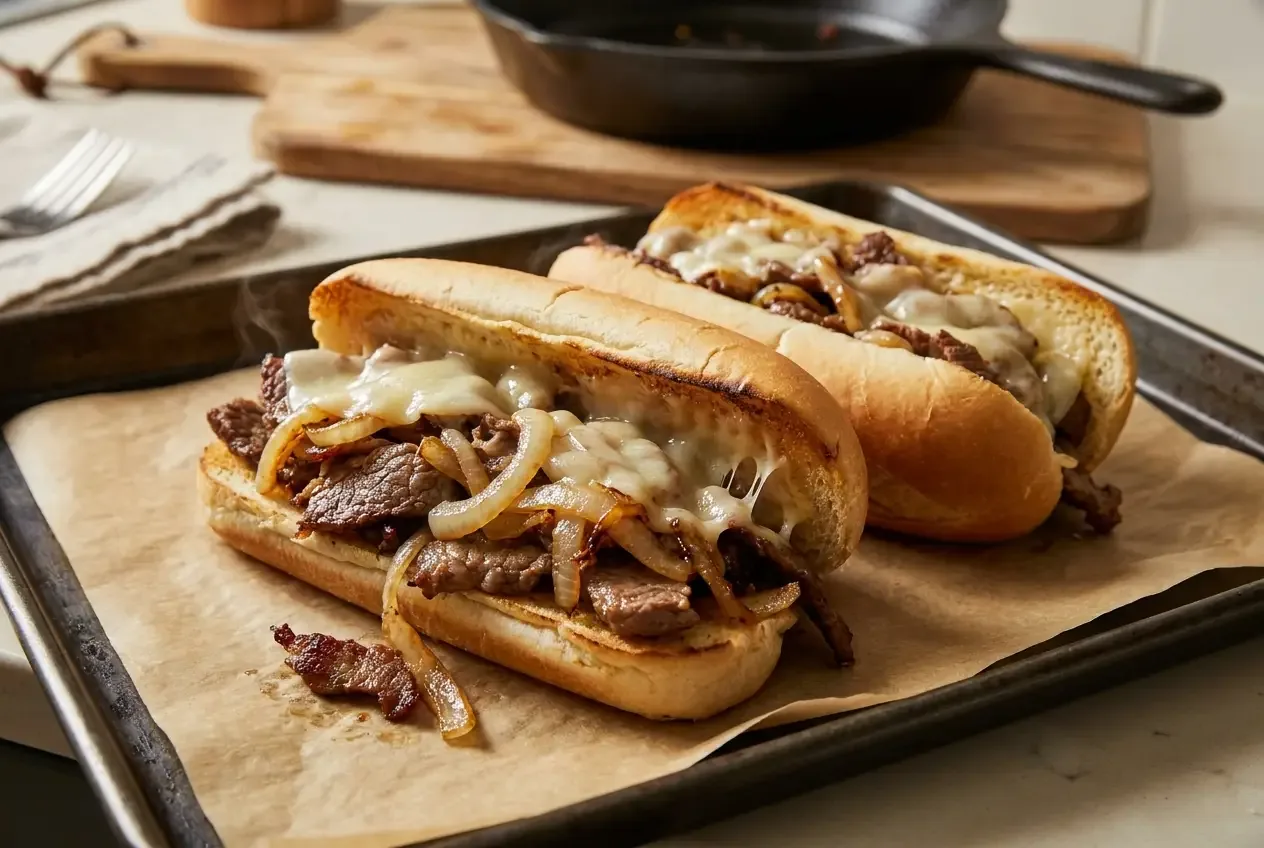
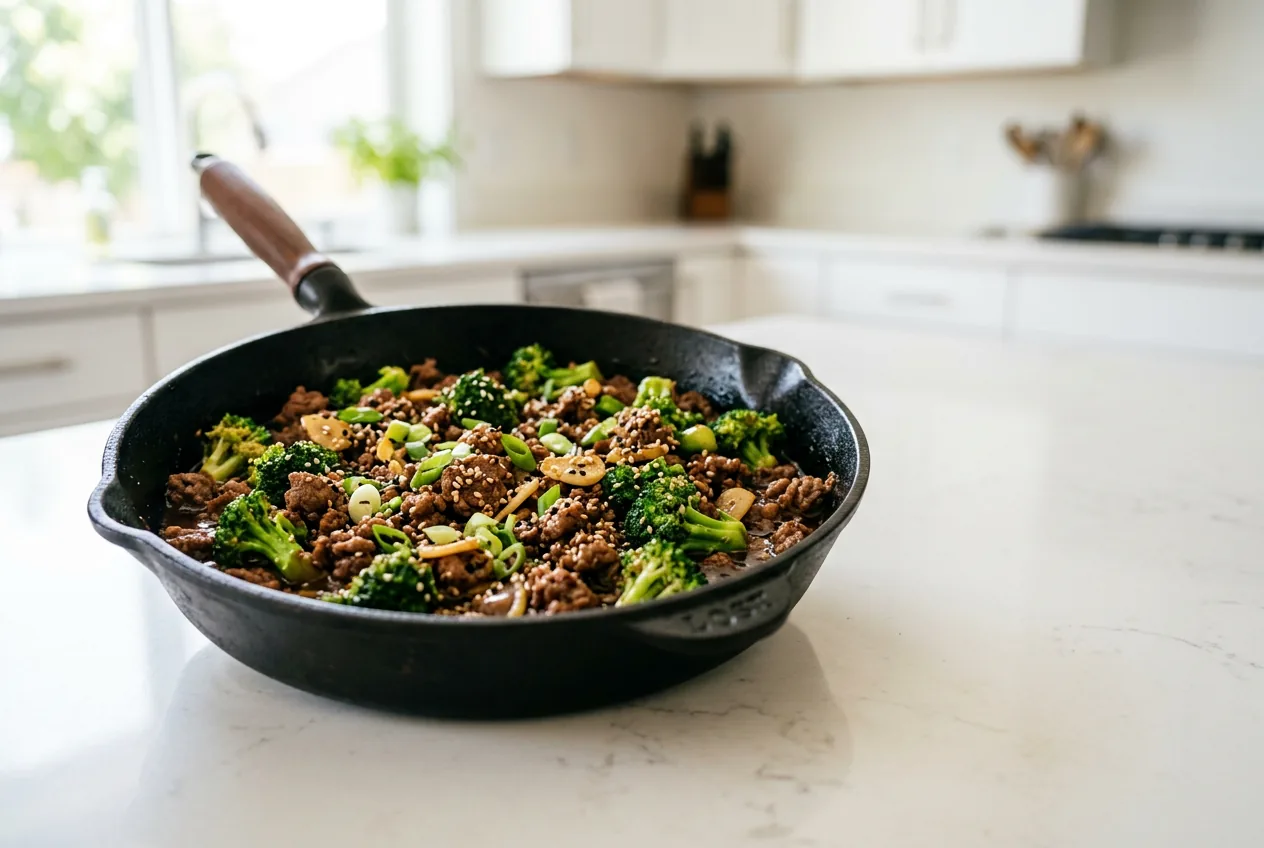
This homemade Philly cheesesteak combines thinly sliced beef, browned onions, and melted cheese on warm hoagie rolls. The thing that makes or breaks it at home is not the cheese or the roll - it is how thin you get the beef, and the trick for that is free: put the steak in the freezer for 25 minutes first, until it is firm at the edges but not frozen through, and a sharp knife will shave it almost paper-thin. Using top round instead of ribeye brings four full sandwiches in at about $2.57 each. Cheesesteak preferences run deep and vary from block to block, so treat this as a practical home version rather than a settled argument: provolone here, onions in, peppers and mushrooms offered as variations. If you want another beef dinner from the same skillet, try our beef stir fry, and there are more easy dinner ideas for the rest of the week.
Recipe from Budget Plates · https://www.budgetplates.com/philly-cheesesteak
Pat the steak dry, trim off any thick surface fat or silverskin, and lay it flat on a plate or small tray. Freeze it for 20 to 30 minutes. You are not freezing it solid - you want it firm at the edges and stiff enough that it does not squash under the knife. Soft raw beef rolls away from the blade and you end up with thick, chewy chunks; firm beef slices cleanly. This is the single step that decides how good the sandwich is, and it costs nothing.
Set the steak on a board and find the direction the muscle fibers run. Cut across those fibers, not along them, holding the knife at a slight angle and taking the thinnest slices you can manage - about an eighth of an inch or thinner. Top round has a clear, uniform grain, which is exactly why it works here. Stack a few slices and run the knife through them once or twice so no piece is longer than about two inches. Season the pile with the salt, a good grind of pepper, and a pinch of garlic powder, and toss it with your hands.
Heat a tablespoon of the oil in a large cast-iron or stainless skillet over medium heat. Add the sliced onion and cook 6 to 8 minutes, stirring now and then, until soft and golden at the edges. You want them browned and sweet, not blackened and not raw and crunchy. Scrape them onto a plate and set aside - they come back at the end. Leaving them in the pan while the beef cooks releases their water and steams the meat instead of searing it.
Turn the heat to medium-high, add the remaining oil, and let the pan get properly hot - a drop of water should skitter and vanish. Add half the beef in a single layer and leave it alone for about 45 seconds, then toss and cook another minute until the pink is gone and the edges have caught some brown. Take it out and repeat with the second half. Two batches is not fussiness: crowd all the beef in at once and the pan temperature crashes, the meat sits in its own juice, and you get grey steamed beef instead of browned steak. It cooks in well under two minutes a batch, so do not walk away.
Return all the beef and the onions to the skillet over low heat and toss them together for about 30 seconds, just long enough to reheat. Push the filling into four roughly equal piles and lay two slices of provolone over each one. Cover the pan for about a minute, until the cheese has slumped and melted over the meat. Melting it on the filling rather than in the roll is what gives you cheese through the whole sandwich instead of a cold slice stuck to the bread.
While the cheese melts, split the rolls most of the way through, leaving a hinge so they hold together, and toast the cut sides - under the broiler for a minute, or face down in a dry pan. A toasted surface is a moisture barrier; an untoasted roll drinks up the juices and goes soft in a couple of minutes. Slide a spatula under each cheese-covered pile, lift it in one piece, and tuck it into a roll. Serve them right away, while the cheese is still stretchy.
Store the beef and onion filling separately from the rolls in an airtight container for up to 3 days - a built sandwich goes soggy within hours. Cool the filling and refrigerate it within 2 hours of cooking. Assemble fresh when you reheat; it takes about two minutes.
The cooked filling freezes well for up to 2 months in an airtight container. Thaw overnight in the fridge before reheating. Do not freeze assembled sandwiches - the roll thaws wet and the texture never recovers.
Reheat the filling in a hot skillet for 2 to 3 minutes, stirring, until steaming throughout - 165 F if you are checking. Add the cheese at the end as you would the first time, and toast a fresh roll. The microwave works but leaves the beef softer and the cheese oily.
Estimates per full sandwich, counting the whole roll, both slices of cheese, and the oil in the pan. Based on a quarter pound of raw beef per sandwich, which cooks down to roughly 3 ounces. Not a substitute for medical advice.
A sandwich of thinly sliced beef and melted cheese served on a long soft roll, associated with Philadelphia and sold there in countless variations. Onions are near-universal; the cheese, the roll, and whether peppers or mushrooms belong are all matters of genuine local disagreement. There is no single official recipe, and shops that have been at it for decades still do it differently from one another.
Ribeye is the traditional choice at many shops and it is excellent, but at roughly $15 a pound it turns a cheap sandwich into an expensive one. Top round, sold as London broil, is the best value: lean, uniform grain, and it shaves paper-thin once it is firm from the freezer. Sirloin sits between the two on both price and tenderness.
Yes, and most home versions do. What matters far more than the cut is the thickness of the slice and the heat of the pan. A well-sliced top round cooked fast in a hot skillet beats a thick-cut ribeye cooked slowly in a crowded one every time.
Freeze it for 20 to 30 minutes first, until firm at the edges but not solid, then cut across the grain with the sharpest knife you own, angling the blade slightly. Firm beef holds its shape against the knife instead of compressing. No special equipment is needed - this is exactly how the thickness problem gets solved without a meat slicer.
Both are standard and it is genuinely a preference. Provolone brings a little tang and holds its shape better; American melts smoother and creamier and usually costs less. Cheese sauce is a third common option. This recipe uses provolone because it melts well and photographs honestly, but swapping in American changes nothing about the method.
Not necessarily. Peppers are a common home-style and regional addition, but plenty of cheesesteaks are just beef, onions, and cheese - which is how this recipe is built. If you want them, cook a sliced green pepper along with the onions. Neither version is wrong.
Mushrooms are a popular optional addition rather than part of the base sandwich. Cook 8 ounces of sliced mushrooms with the onions and let their water cook off completely before the beef goes in, or the filling turns wet.
Almost always an overcrowded or under-heated pan. Too much beef at once drops the temperature, the meat releases its juices faster than they can evaporate, and it simmers instead of searing. Cook it in two batches in a properly hot skillet, and cook the onions separately first so their moisture is not in the pan.
Slice thin, cut across the grain, and stop cooking as soon as the pink is gone - roughly 90 seconds a batch. Lean cuts like top round have no fat to protect them, so the difference between tender and tough is about thirty seconds of extra heat.
Toast the cut sides before filling. It sets a barrier the juices cannot soak straight through. Assembling right before eating matters too - the filling keeps releasing moisture, so a sandwich built and left to sit is a sandwich with a soft bottom.
Yes. The beef and onion filling is the part worth making ahead - cook it, cool it, and refrigerate up to 3 days, then reheat in a skillet and add the cheese fresh. Do not assemble the sandwiches until you are ready to eat.
About $10.27 for a pound of top round, four hoagie rolls, eight slices of provolone, an onion, oil, and seasoning, divided by four full sandwiches. The beef alone is $5.49 of that, so the price of this sandwich moves with the price of steak more than anything else.
As an Amazon Associate, Budget Plates may earn from qualifying purchases.
This one is also part of our American Comfort Classics collection.