Rice and Beans
$0.41per plate
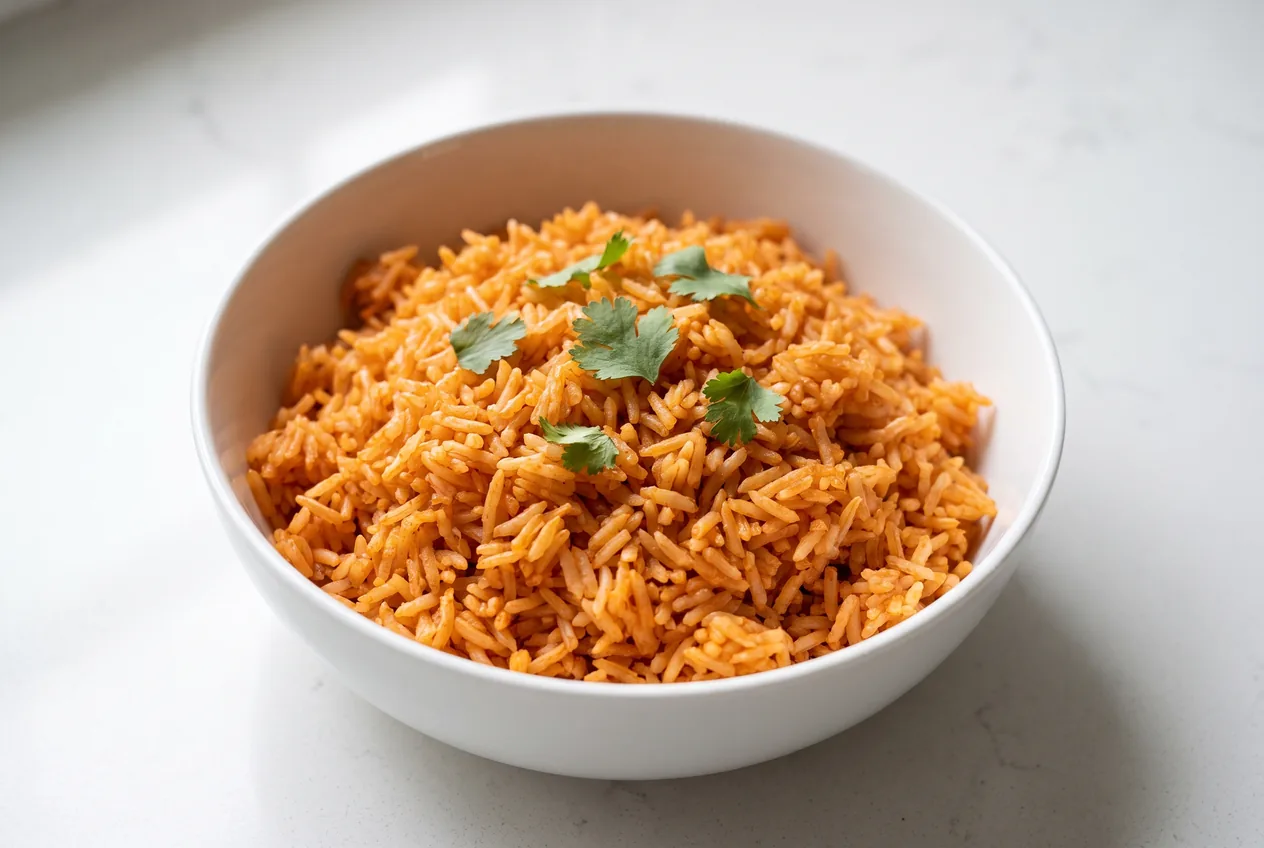
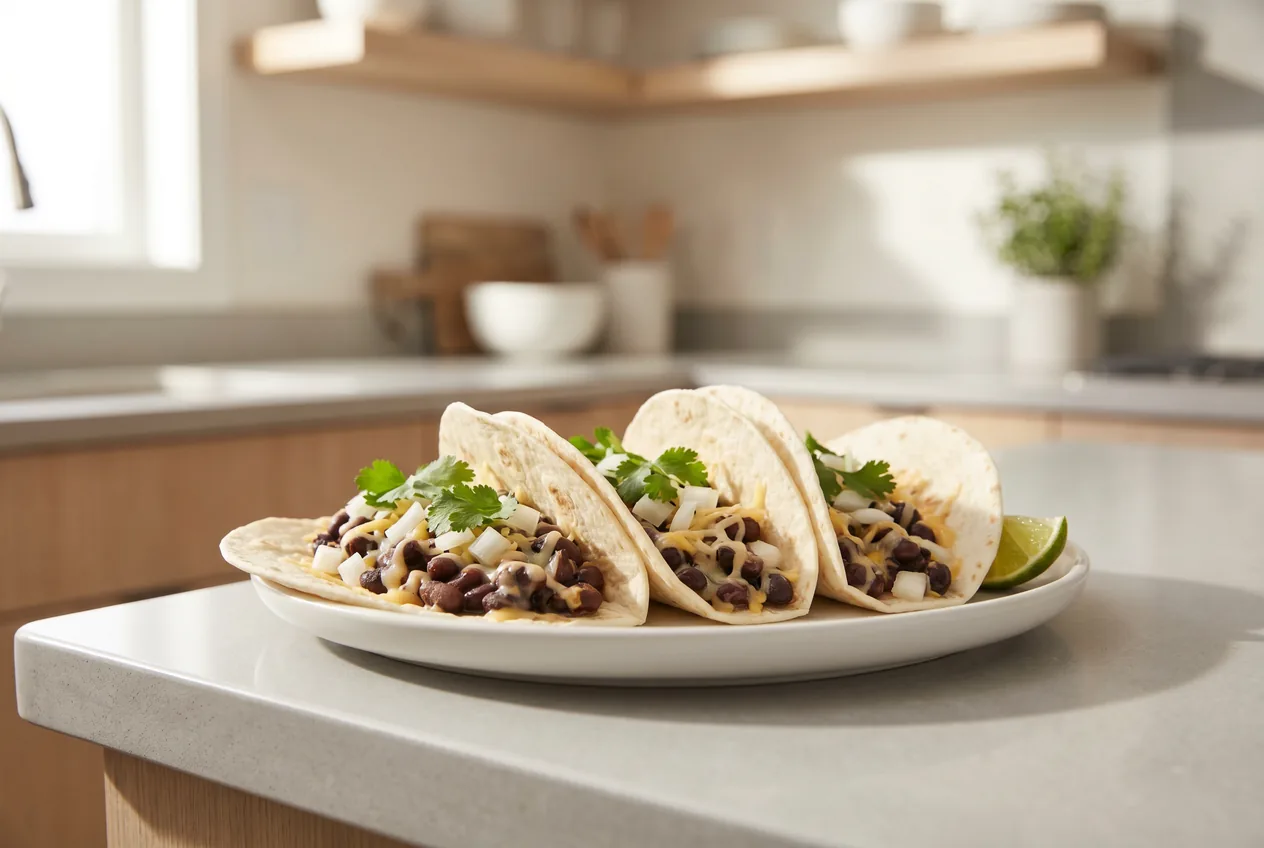
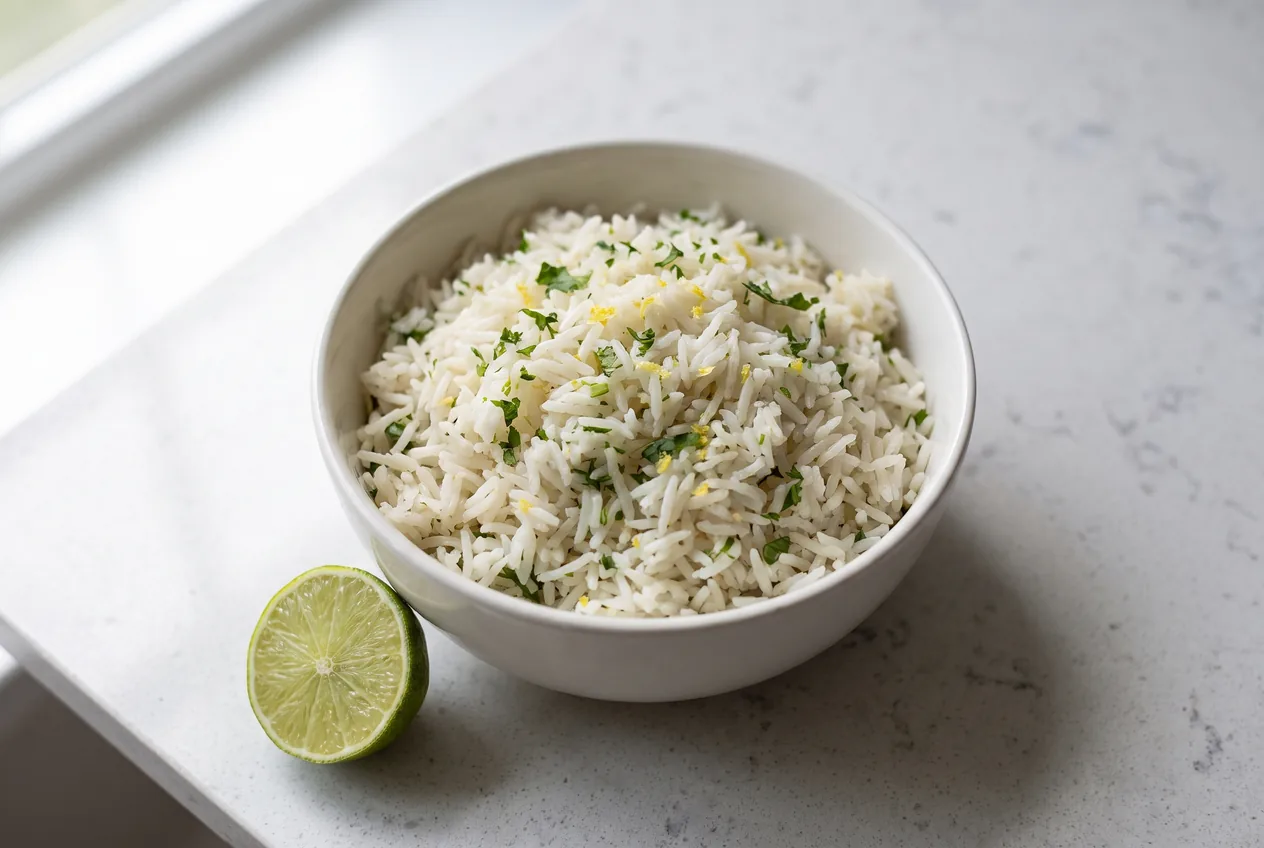
Spanish rice - the orange-red side rice you get with a combo plate, also called Mexican rice - starts with one step most home versions skip: toasting the raw rice in oil until it turns from translucent to light golden before any liquid goes in. That's what gives it separate, fluffy grains and a light toasted flavor instead of a sticky, mushy pot. From there it simmers with onion, garlic, tomato sauce, and broth until the rice is tender and the color is deep orange-red. It pairs naturally with our cilantro lime rice for a two-rice spread, or serve it alongside black bean tacos or any of our chicken and rice dinners.
Recipe from Budget Plates · https://www.budgetplates.com/spanish-rice
Heat the oil in a saucepan over medium heat. Add the rinsed, well-drained rice and cook, stirring often, for 4 to 5 minutes, until the grains turn from translucent to light golden. This toasting step is what gives Spanish rice its separate, fluffy grains and light nutty flavor - do not skip it or rush it.
Add the diced onion and cook for 3 minutes, until it starts to soften, then add the garlic for the last 30 seconds so it doesn't scorch.
Stir in the tomato sauce, chicken broth, cumin, chili powder, and salt. Bring the mixture to a boil, scraping up any toasted rice from the bottom of the pan.
Lower the heat, cover, and simmer for 18 to 20 minutes until the liquid is absorbed and the rice is tender. Keep the lid on the whole time - lifting it lets out steam the rice needs to cook evenly, which is the most common reason homemade Spanish rice turns out unevenly cooked.
Take the pot off the heat and let it rest, covered, for 5 minutes so the last of the trapped steam finishes the rice. Fluff with a fork before serving.
Refrigerate leftovers in an airtight container within 2 hours of cooking and use within 3 to 4 days. Cooked rice should not sit out for more than 2 hours (1 hour if the kitchen is above 90°F) - spores that survive cooking can multiply in rice left at room temperature (USDA).
Freeze cooled rice in an airtight container or bag for up to 2 months; thaw overnight in the fridge before reheating.
Reheat in the microwave or on the stove with a splash of water or broth to loosen the grains, stirring until steaming hot throughout (about 165°F).
Estimates per serving, calculated from standard ingredient data. Not a substitute for medical advice.
Almost nothing - they're the same tomato-based, aromatics-forward rice, just called by different names depending on the region and the restaurant. This dish is labeled 'Spanish rice' on some menus and 'Mexican rice' on others; either way, it's the same orange-red side you'd get with a combo plate.
Toasting the raw grains in oil before adding any liquid is what gives Spanish rice its separate, fluffy texture and light nutty flavor instead of a sticky, mushy pot. Skipping this step is the most common reason a homemade version doesn't taste like the restaurant kind.
Usually one of two things: the rice wasn't toasted long enough to turn golden before the liquid went in, or the lid was lifted during the simmer, letting out steam the rice needed to cook evenly. Keep the lid on for the full simmer time.
Yes - see the substitutions above. Diced tomatoes give a chunkier, more rustic texture, while tomato sauce gives the smoother, more traditional restaurant-style look.
The whole pot costs about $2.20 for four servings, so about 55 cents each. Rice, tomato sauce, and broth are the biggest costs, and all of them are inexpensive pantry staples.
As an Amazon Associate, Budget Plates may earn from qualifying purchases.