Pork
$2.43per plate
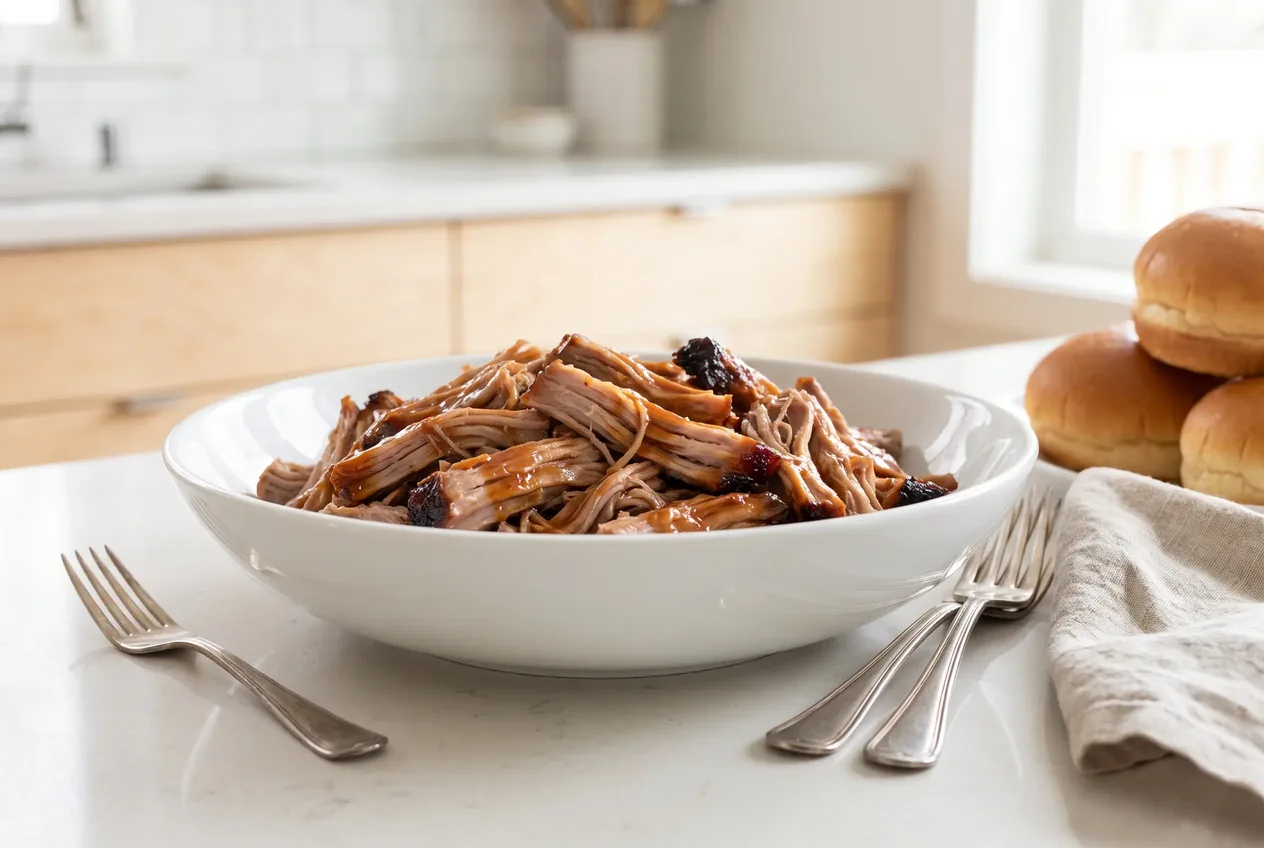
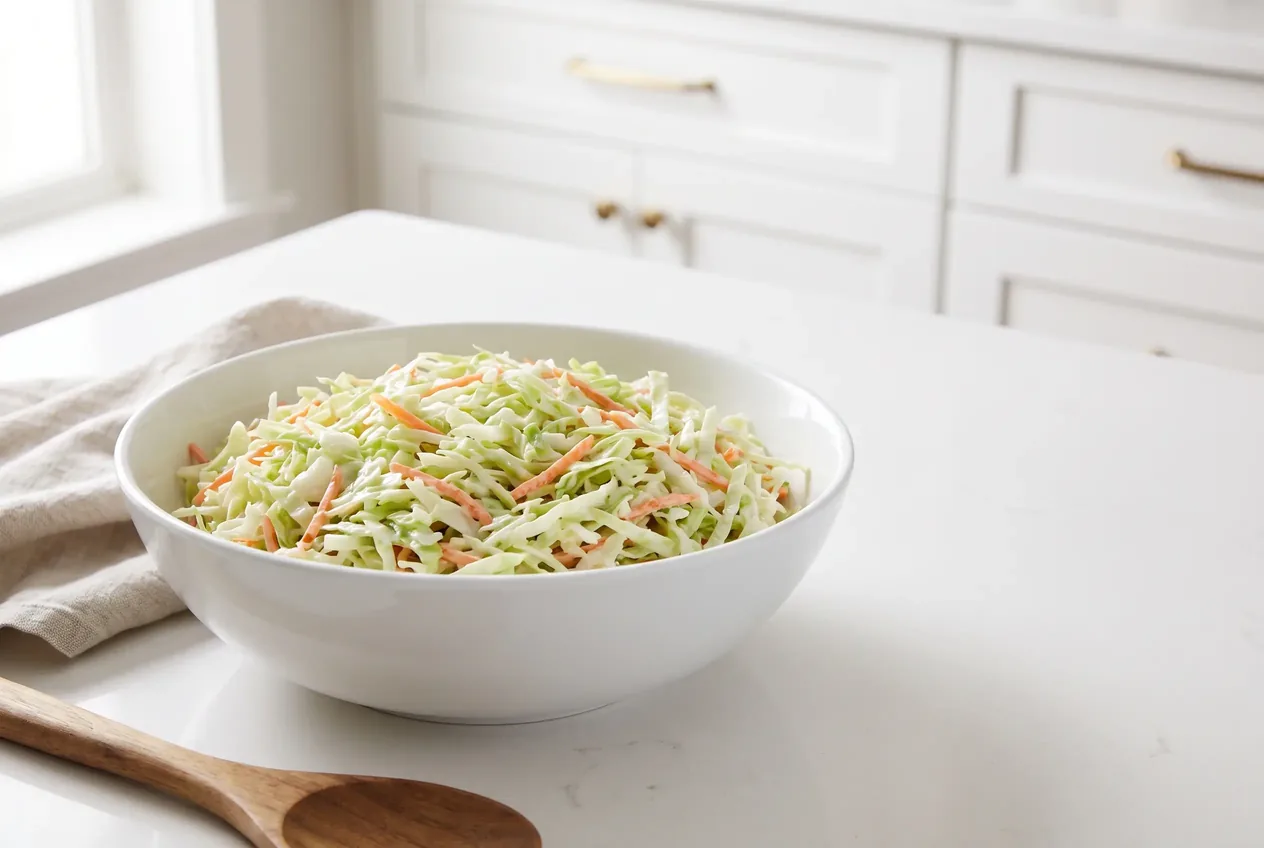
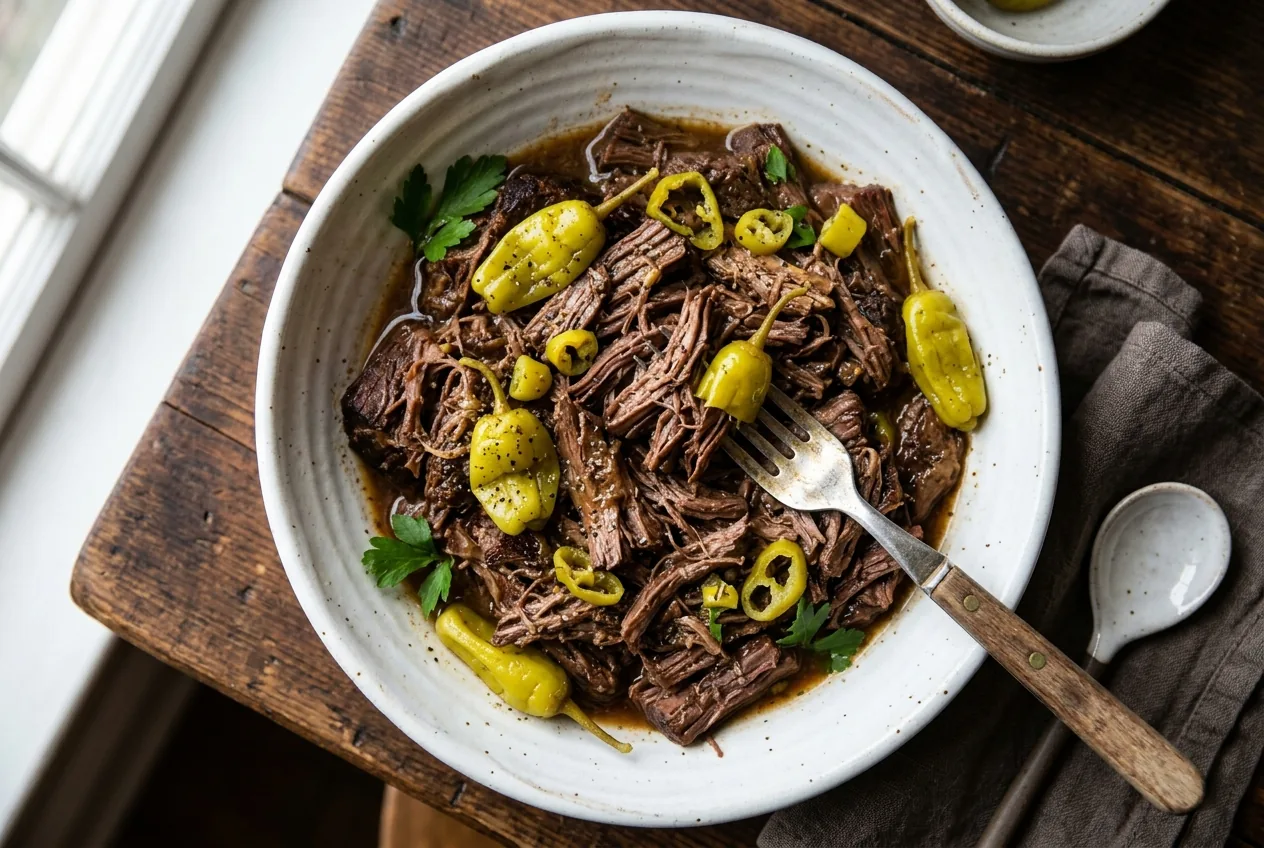
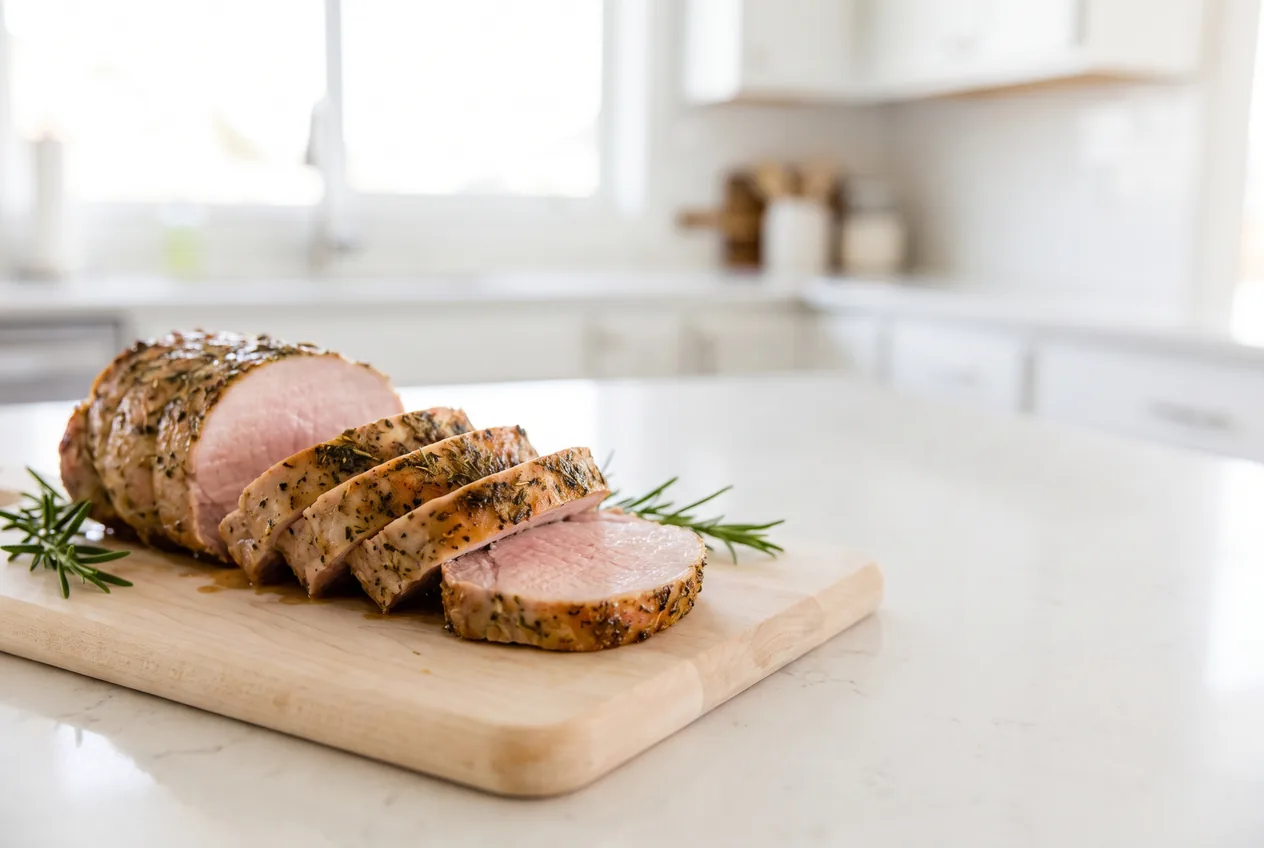
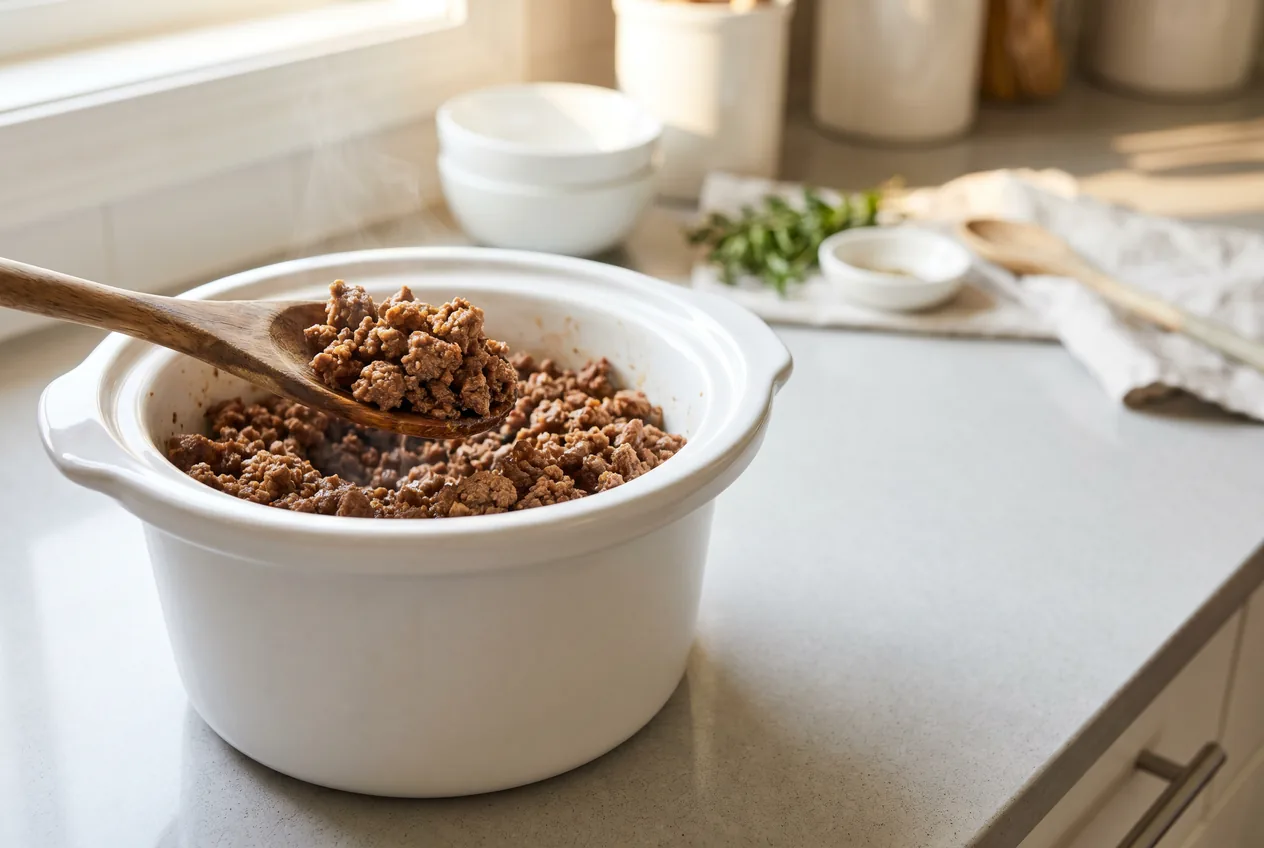
Pork shoulder is the cheapest way to put barbecue on the table, and a slow cooker does almost all of the work. This pulled pork recipe uses a four-pound boneless shoulder, a dry rub built from pantry spices, and only half a cup of liquid to start - the pork releases plenty of its own as the fat renders. The part most recipes get wrong is the sauce: stir it in after shredding, not before, or eight hours of cooking liquid thins it into soup. Four pounds of raw pork feeds eight for about $1.21 a plate, whether you pile it on buns or serve it over rice. It goes with classic coleslaw more or less by law, with homemade baked beans to round out the plate, and if you want the other half of a barbecue plate, our oven-baked BBQ ribs use the same rub. Browse more easy dinner ideas for the rest of the week.
Recipe from Budget Plates · https://www.budgetplates.com/pulled-pork-recipe
Pat the shoulder dry and trim only the thick exterior fat cap down to about a quarter inch. Leave the marbling inside alone - that intramuscular fat is what makes pulled pork tender. Stir the brown sugar together with the paprika, garlic powder, onion powder, salt, and pepper, then rub it over every surface of the meat. If the shoulder is too big for your cooker, cut it into two or three large chunks; it will cook a little faster.
Scatter the sliced onion across the bottom of the slow cooker and set the pork on top, fat side up. Pour the broth and vinegar around the meat, not over it, so the rub stays put. Half a cup of liquid looks like far too little, and that is the point: pork shoulder throws off a lot of its own juice, and extra liquid at the start is the main reason pulled pork turns out watery and bland.
Cover and cook on LOW for 8 to 10 hours. Low is genuinely better here than high - collagen needs hours in the 160 to 200 F range to melt into gelatin, and rushing it on high for 5 to 6 hours gives you pork that is cooked through but still stringy and tight. Resist lifting the lid; every peek costs you real time.
The pork is ready when a fork twists in the thickest part with almost no resistance and the meat separates into strands on its own. Pork is food-safe at 145 F, but pulled pork does not shred properly until it reaches about 195 to 205 F internally. If it still feels tight, give it another hour and check again - a large or cold shoulder can easily take the full 10 hours.
Lift the pork onto a board or sheet pan and let it rest 10 minutes so it stops steaming and firms up enough to handle. Pull it apart with two forks, discarding any soft fat pockets you find as you go. Meanwhile, let the cooking liquid settle for a few minutes and skim the clear fat off the top.
Return the shredded pork to the cooker and stir in the barbecue sauce plus a few spoonfuls of the defatted cooking juices - just enough to make it glossy and moist, not swimming. Add the juices a spoonful at a time; you can always add more, but you cannot take it back out. Taste, add salt if it needs it, and keep it on WARM until you serve.
Refrigerate pulled pork in an airtight container, with a little of its juice, for up to 4 days. Cool it quickly in a shallow container and get it in the fridge within 2 hours of cooking so it passes safely through the warm zone; a deep pot of hot pork cools far too slowly on the counter.
Pulled pork freezes better than almost anything else on this site - up to 3 months. Freeze it in portions with a few spoonfuls of juice or sauce so it does not dry out, then thaw overnight in the fridge before reheating.
Reheat gently in a covered pan or pot over low heat with a splash of juice, broth, or water until steaming hot throughout - 165 F if you are checking. The microwave works for single portions at half power. Avoid high heat, which drives off moisture and turns the strands stringy.
Estimates per serving of sauced, shredded pork, based on the cooked yield after the rendered fat is skimmed off and discarded. Not a substitute for medical advice.
Pork shoulder, sold as pork butt or Boston butt. It is heavily marbled and full of connective tissue, which is exactly what you want for a long cook - that collagen melts into gelatin and makes the meat shreddable. Pork loin is leaner and cheaper-looking on the shelf, but it dries out and will not pull.
Close enough for this recipe. Both come from the front shoulder: the pork butt is the upper section and the picnic shoulder is the lower one. Butt is a little fattier and more common in stores, but either shreds beautifully.
About 8 to 10 hours on LOW for a four-pound boneless shoulder. Low beats high because collagen needs time, not just heat. Go by tenderness rather than the clock: a fork should twist in the meat with almost no resistance.
Almost always too much liquid. Pork shoulder releases a lot of its own juice, so half a cup to start is plenty. Skim the fat, then add the cooking juices back a spoonful at a time after shredding rather than tipping the whole pot in.
After. Sauce added at the start gets diluted by hours of rendered juices and its sugar can scorch against the hot crock walls. Stirring it into the shredded pork at the end gives you a glossy coating and full flavor.
Pile the warm sauced pork onto a soft bun and top it with a spoonful of coleslaw - the cold crunch against the rich pork is the whole point. Toasting the cut sides of the bun in a dry pan keeps it from going soggy.
About $9.67 for a four-pound pork shoulder, an onion, the pantry rub, and a cup of barbecue sauce, divided by eight servings, comes to roughly $1.21 each. The pork is over 80 percent of the cost, so buying the shoulder on sale is what moves the number. Buns or rice are figured separately.
As an Amazon Associate, Budget Plates may earn from qualifying purchases.
Feeding a crowd tonight? This one is also part of our Easy Family Dinner Recipes collection.