Pork
$1.37per plate
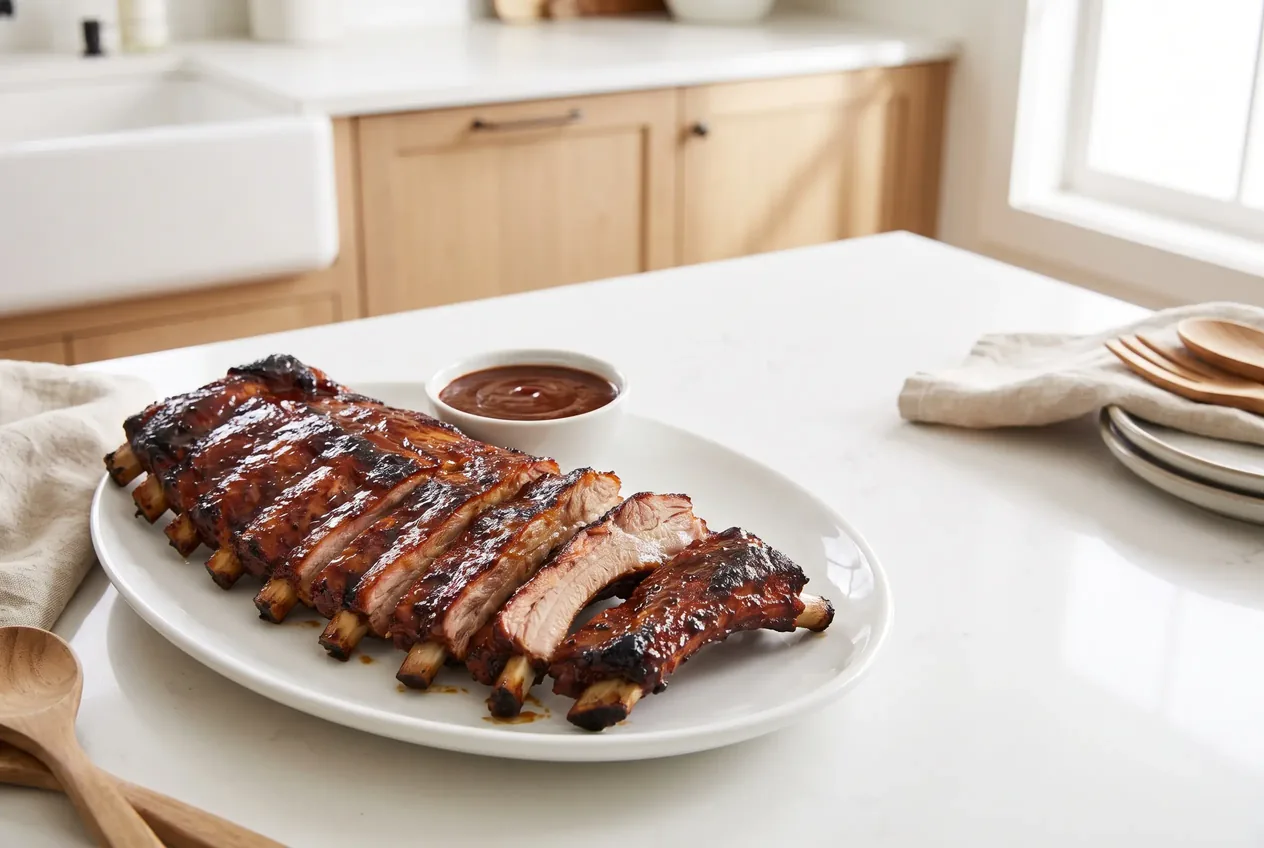
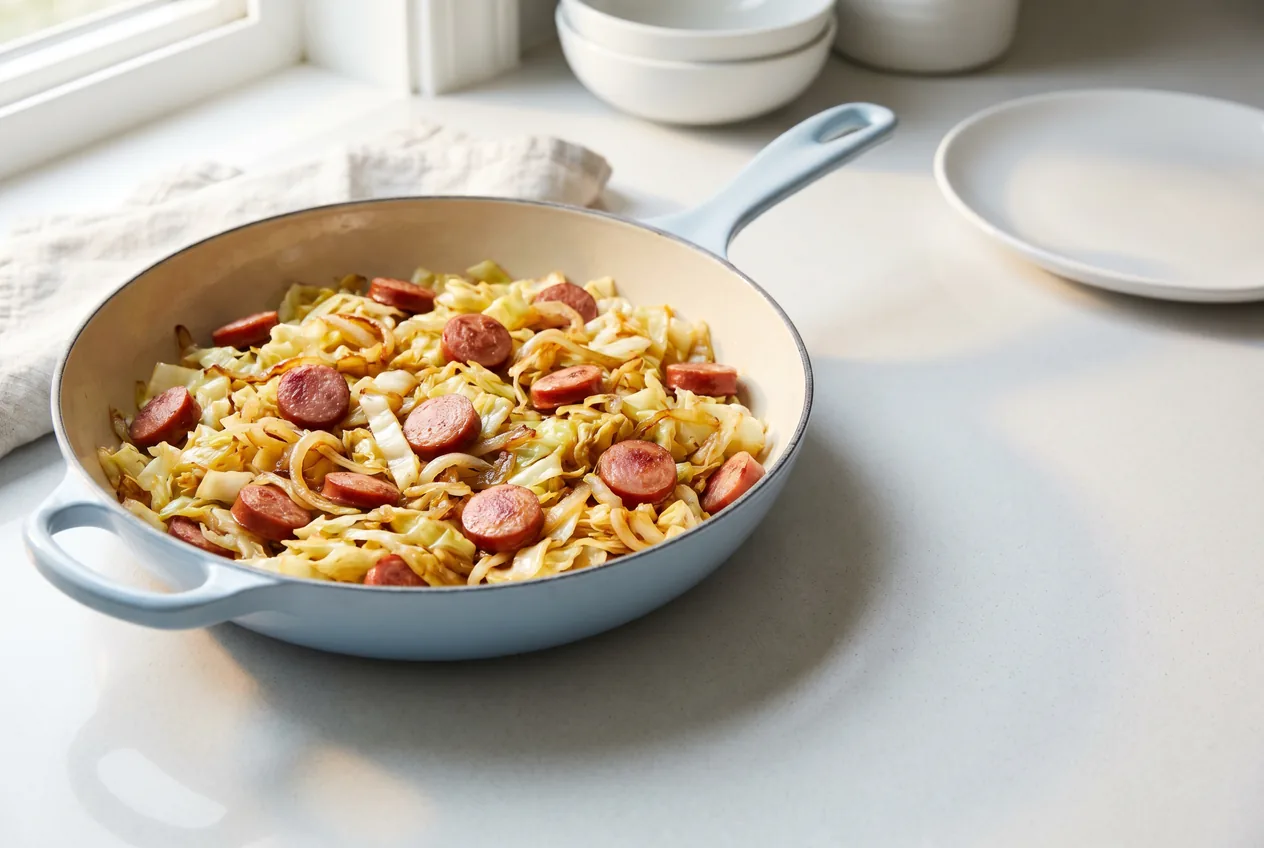
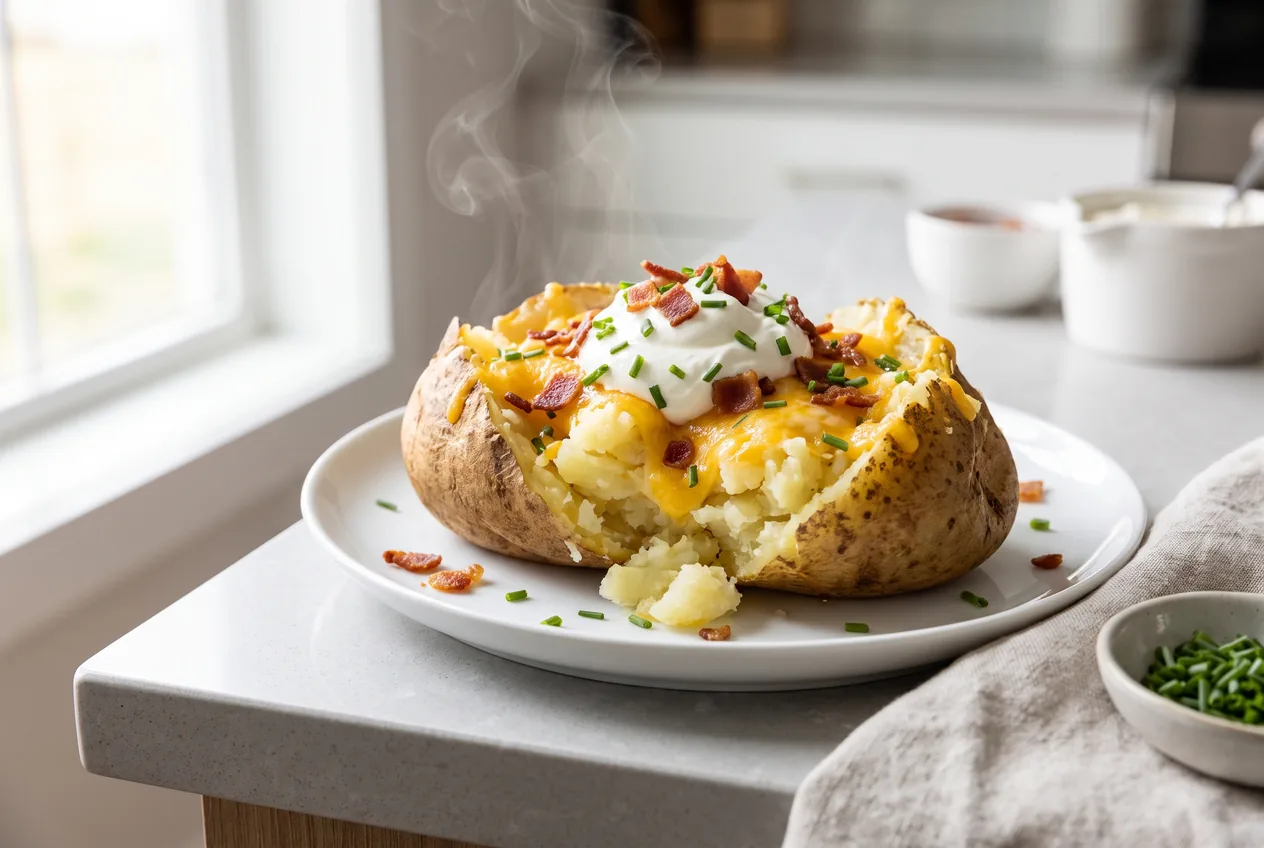
Cooking pork ribs in the oven is the cheapest, most reliable way to get properly tender ribs at home, and you do not need a smoker, a grill, or a single special tool. The whole trick is low heat and a tight foil wrap: the ribs steam in their own juices for a couple of hours until the connective tissue melts, then get sauced and blasted hot for a few minutes so the glaze sets sticky instead of watery. A rack of spare ribs feeds four for about $2.43 a plate, which makes barbecue night cost less than most takeout sides. Serve them with something cheap and crunchy - classic coleslaw, fried cabbage, loaded baked potatoes, or a scoop of pasta salad all work. For the other half of a barbecue plate, our crockpot pulled pork uses this same rub and homemade baked beans bake alongside them, and for a faster pork dinner our oven-baked pork chops are done in 40 minutes.
Recipe from Budget Plates · https://www.budgetplates.com/pork-ribs-in-oven
Heat the oven to 300 F. Pat the ribs dry and flip them bone-side up: there is a thin, papery membrane running across the bones. Slide a butter knife under it at one end, grip it with a paper towel, and peel it off. It is not strictly required, but it never softens as it cooks, so removing it means more tender bites and better rub contact. If it tears or will not budge, score it in a few places with a knife and carry on.
Stir the brown sugar together with the paprika, garlic powder, onion powder, salt, and pepper. Rub it over both sides of the rack, pressing it into the meat. The sugar is there for color and a little balance, not sweetness; there is not enough of it to burn at this low temperature.
Set the rack meat-side up on a large sheet of heavy foil on a rimmed baking sheet, then wrap it tightly so no steam escapes; use two layers if the bones threaten to poke through. Bake 2 1/2 hours. The sealed foil traps moisture so the ribs braise gently in their own juices, which is what breaks down the tough connective tissue.
Open the foil carefully - the trapped steam is hot - and test. Ribs are done when a toothpick or thermometer probe slides into the meat between the bones with almost no resistance, the meat has shrunk back about a quarter inch from the bone ends, and the rack sags and cracks on the surface when you lift it from one end. Pork is food-safe at 145 F, but ribs are not tender until closer to 195 to 203 F, when the collagen turns to gelatin. If it still feels tight, re-wrap and give it another 20 to 30 minutes; thicker racks and full spare ribs take longer than baby backs.
Raise the oven to 400 F. Open the foil, pour off the pooled fat and juices, and brush the ribs with the barbecue sauce. Bake uncovered 12 to 15 minutes, until the sauce turns glossy and tacky. Sauce goes on only at the end because it is full of sugar and scorches over a long bake. If you would rather use the broiler, move the pan to the upper third and watch it the entire time - 2 to 4 minutes is usually enough, and it goes from caramelized to burnt in under a minute.
Let the rack rest 10 minutes so the juices settle. Slice down between the bones with a sharp knife, cutting on the board rather than in the pan so you can see where the bones run. Serve any extra sauce alongside.
Refrigerate leftover ribs in an airtight container for up to 4 days. They are easiest to store cut into individual ribs, and the meat stays moister if you spoon a little extra sauce over them first.
Freeze cooked ribs for up to 3 months, wrapped tightly in foil and then bagged. Thaw overnight in the fridge before reheating so they warm through evenly.
Wrap the ribs in foil with a splash of water or extra sauce and warm at 300 F for 20 to 25 minutes. The foil keeps them from drying out; brush on a little more sauce and give them 5 uncovered minutes if you want the glaze tacky again. The microwave works in a pinch but softens the crust.
Estimates per serving of sauced ribs, based on the edible meat from a bone-in rack after the fat renders off. Not a substitute for medical advice.
About 2 1/2 hours wrapped at 300 F, plus 12 to 15 minutes uncovered once the sauce goes on. Spare ribs sit at the longer end and baby backs run closer to 2 hours, so check for tenderness rather than trusting the clock.
300 F for the long covered bake, then 400 F for the short sauced finish. Low heat is what melts the connective tissue without drying the meat; the hot finish is only there to set the glaze.
A probe or toothpick should slide between the bones with almost no resistance, the meat pulls back about a quarter inch from the bone ends, and the rack bends and cracks on the surface when you lift one end. Pork is safe at 145 F, but ribs only turn tender around 195 to 203 F.
Yes, for the first two and a half hours. A tight foil wrap traps steam so the ribs braise in their own juices; uncovered, they dry out long before they get tender. The foil comes off only for the final sauced stretch.
Only in the last 15 minutes. Barbecue sauce is mostly sugar, and over a two-hour bake it turns bitter and black. Adding it at the end gives you a sticky glaze instead of a scorched one.
About $9.73 for a three-pound rack, the pantry rub, and half a cup of barbecue sauce, divided by four servings, comes to roughly $2.43 each. The ribs are almost the entire cost, so buying them on sale is what moves the number.
As an Amazon Associate, Budget Plates may earn from qualifying purchases.