Chicken
$1.70per plate
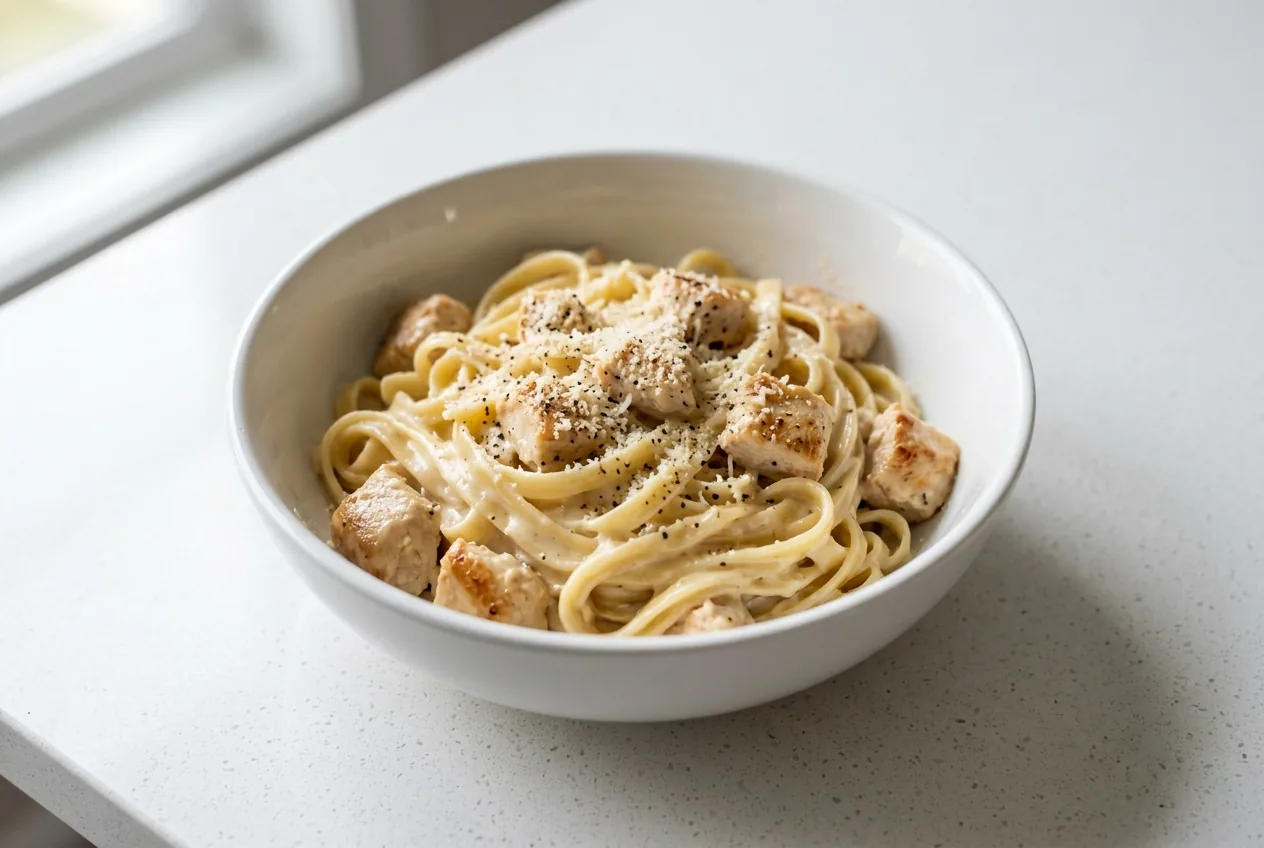
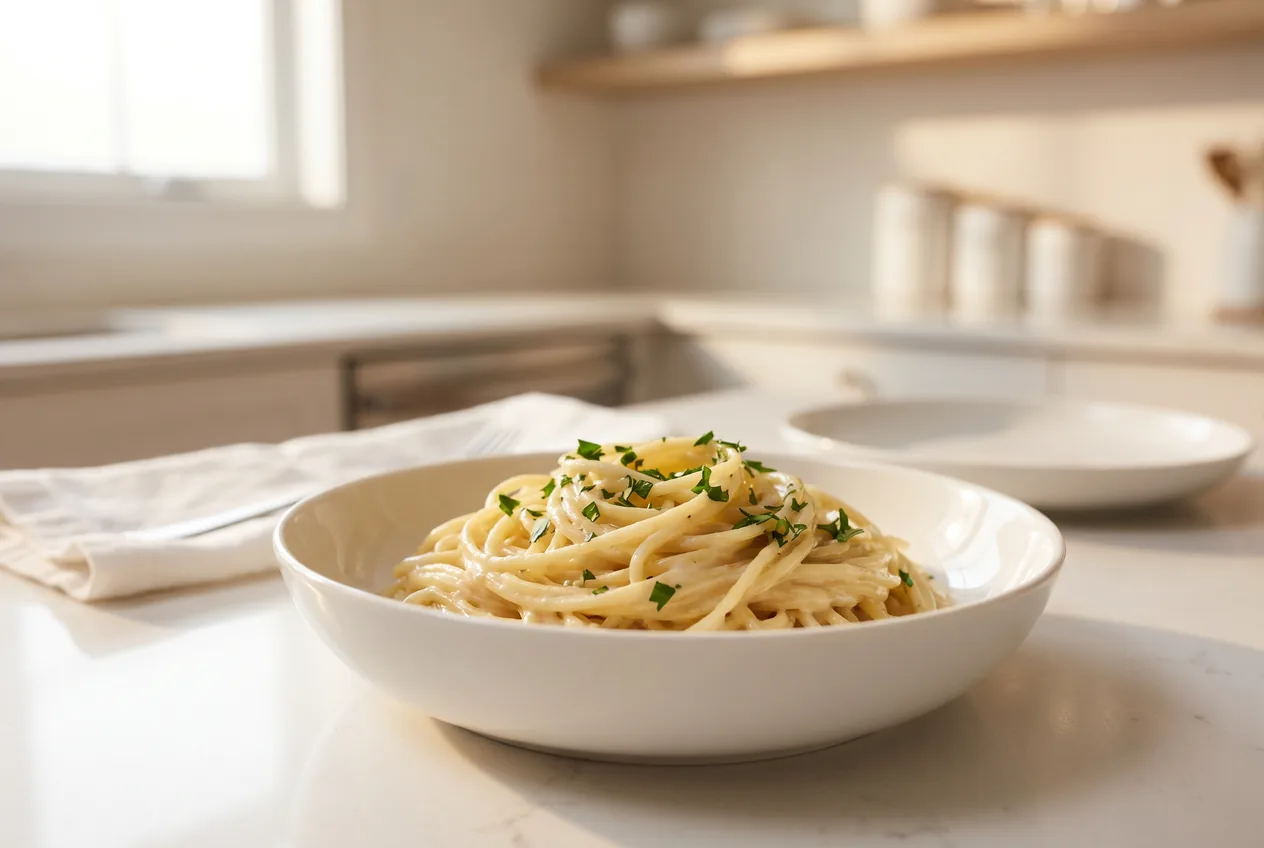
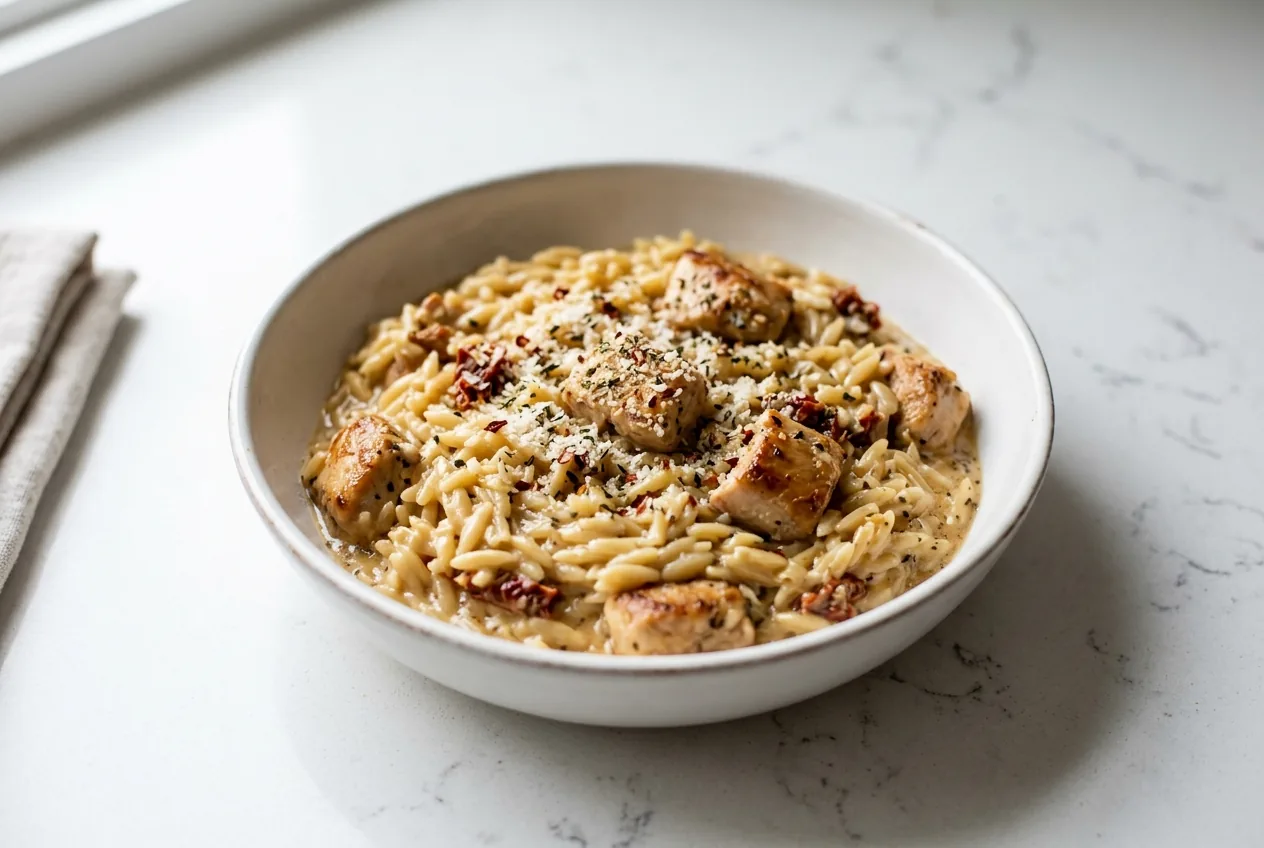
Chicken Alfredo is the ultimate creamy pasta dinner, and it is far cheaper and better made from scratch than from a jar. Bite-size pieces of chicken breast get golden in the pan, then a quick sauce of butter, garlic, cream, and a good handful of finely grated Parmesan turns silky and glossy and coats every strand of fettuccine. Done right it is creamy, not gluey or soupy, and it comes together in about half an hour for right around two dollars a plate. It is a white-sauce dish, which sets it apart from our tangier sun-dried-tomato Marry Me Chicken Pasta, and it is the meaty cousin of our meatless creamy garlic pasta. For another restaurant-style chicken dinner at home, see our Chicken Parmesan, or browse all our pasta recipes.
Recipe from Budget Plates · https://www.budgetplates.com/chicken-alfredo-recipe
Boil the fettuccine in well-salted water to one minute shy of the box time, since it finishes in the sauce. Scoop out a cup of the starchy pasta water before you drain; it is the key to a glossy sauce later. Pulling the pasta a touch early is what keeps it from turning soft and mushy once it hits the hot sauce.
Pat the chicken pieces dry and season with the salt and pepper. Heat the oil with a tablespoon of the butter in a large skillet over medium-high until shimmering, then add the chicken in a single layer and leave it alone for a couple of minutes so it browns instead of steaming. Toss and cook just until golden and cooked through to 165 F, about 5 to 6 minutes total. Crowding the pan or stirring too soon steams the chicken gray and dries it out.
Move the browned chicken to a plate. Take it out before you build the sauce so it does not keep cooking while the cream simmers; overcooked chicken turns rubbery, and you want it juicy when it goes back in at the end.
Lower the heat to medium-low and melt the remaining butter in the same pan. Add the garlic and cook just 30 seconds until fragrant, scraping up the browned bits the chicken left behind. Keep the heat gentle so the garlic does not burn and turn bitter.
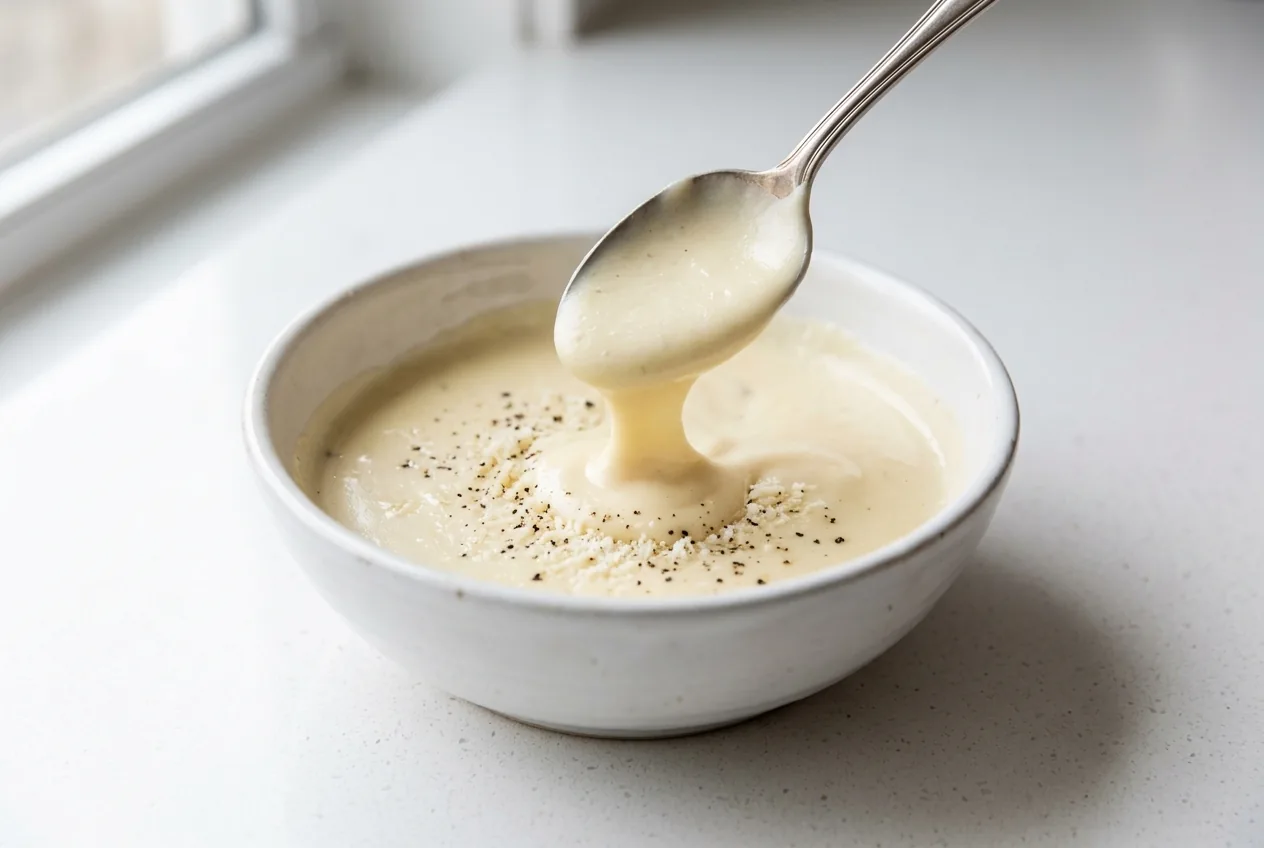
Pour in the cream and warm it through without letting it boil. Off the heat or on the lowest flame, stir in the finely grated Parmesan a handful at a time until melted and smooth. Finely grated cheese is important here: it melts into the sauce evenly, while coarse or pre-shredded Parmesan clumps and turns the sauce grainy. A hard boil is the other thing that makes a cream sauce break, so keep it low and gentle.
Add the drained fettuccine and toss to coat, then splash in the reserved pasta water a little at a time until the sauce is glossy and clings to the noodles. The starchy water is what loosens the sauce and pulls it together; add it slowly so the alfredo lands creamy, not soupy and not thick and gluey.
Fold the chicken and any juices back in just to warm through, then serve right away while it is silky. Alfredo is best fresh; it thickens fast as it sits, so a splash more pasta water or cream loosens it back up if needed.
Refrigerate leftovers in an airtight container for up to 3 days. Alfredo thickens and the pasta keeps drinking up the sauce, so plan to loosen it when you reheat.
Cream sauces can separate when frozen, so alfredo is best made fresh. If you must, freeze in portions for up to 1 month and stir well as it reheats to bring it back together.
Reheat gently on the stovetop or in the microwave at half power, stirring in a splash of milk, cream, or water to smooth the sauce back out. High heat makes it greasy and clumps the pasta, so go low and slow.
Estimates per serving, calculated from standard ingredient data. Not a substitute for medical advice.
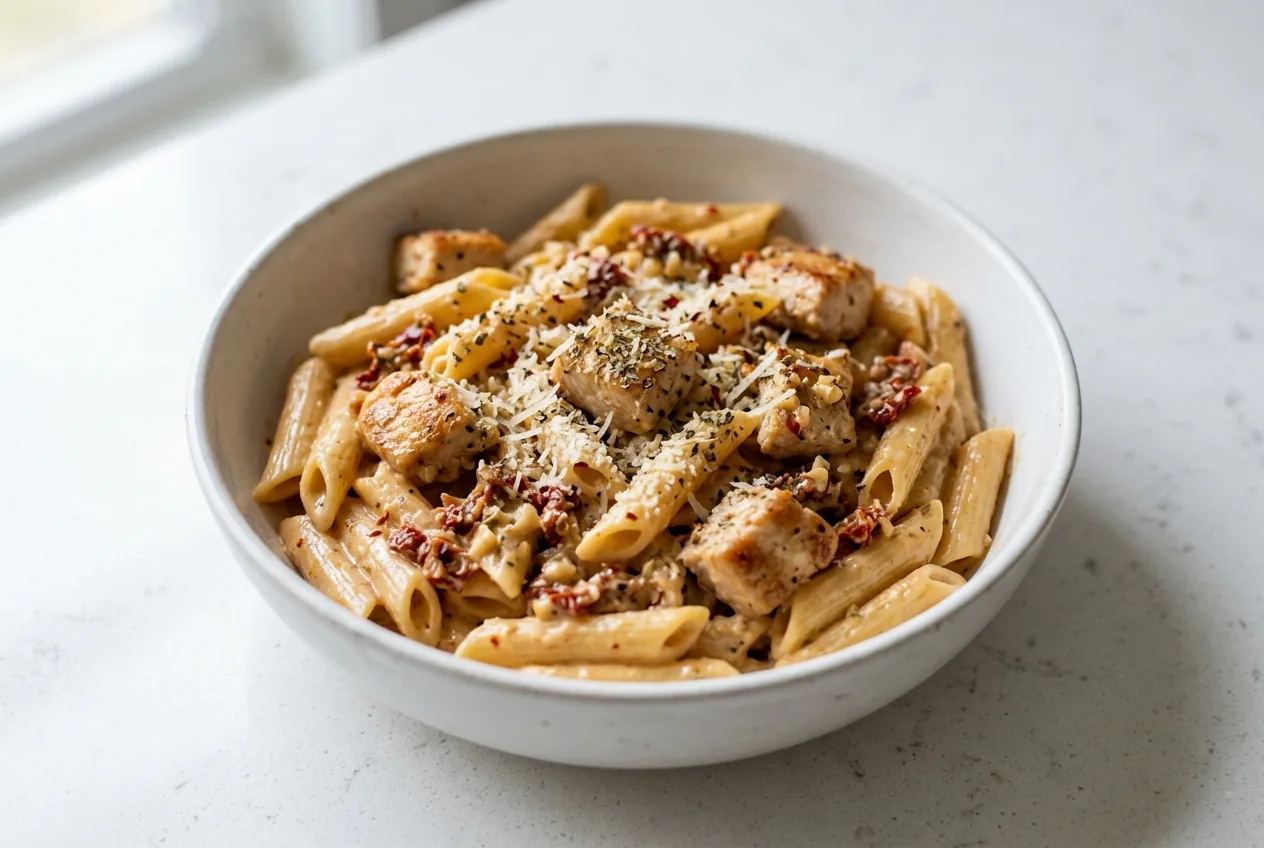
Chicken Alfredo is a white sauce of butter, garlic, cream, and Parmesan over pasta. Marry Me Chicken uses a tangier sauce built on sun-dried tomatoes and broth. Both are creamy chicken dinners, but alfredo is the classic cheesy white sauce, which is why this page is a separate recipe from our Marry Me Chicken Pasta.
Keep the heat low and never let the cream boil, and stir in finely grated Parmesan off the heat a little at a time. Boiling and coarse, pre-shredded cheese are the two things that make the sauce split or go grainy. Loosen it with starchy pasta water rather than cranking the heat.
Heavy cream makes the richest, most classic sauce, but you can use half-and-half, or whole milk thickened with a teaspoon of flour or cornstarch, for a lighter and cheaper version. Lean harder on the Parmesan and pasta water to keep it creamy.
About $7.95 for the whole skillet, four servings, so roughly $1.99 each. The chicken, cream, and Parmesan are the biggest costs. Optional broccoli, bacon, or shrimp would add to that and are figured separately.
As an Amazon Associate, Budget Plates may earn from qualifying purchases.