Breakfast
$0.35per plate
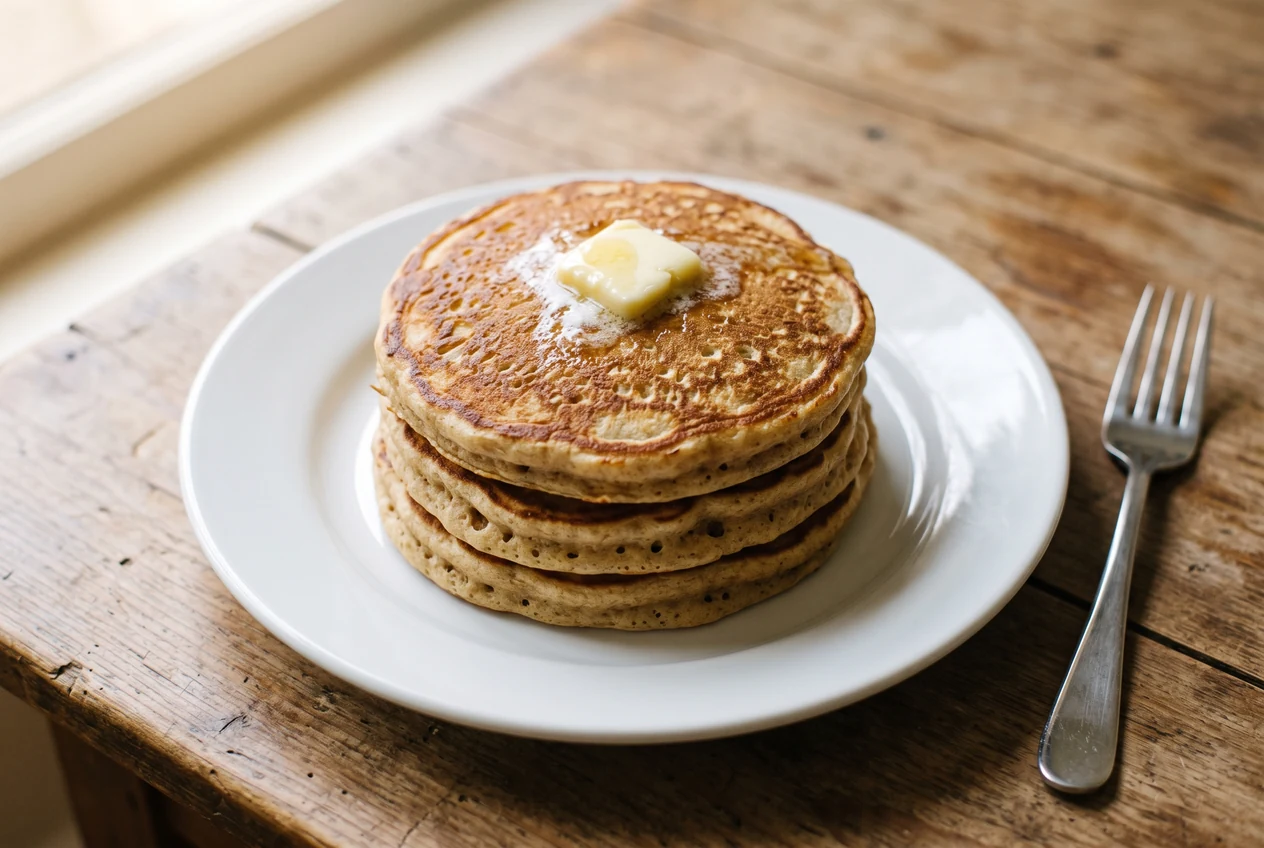
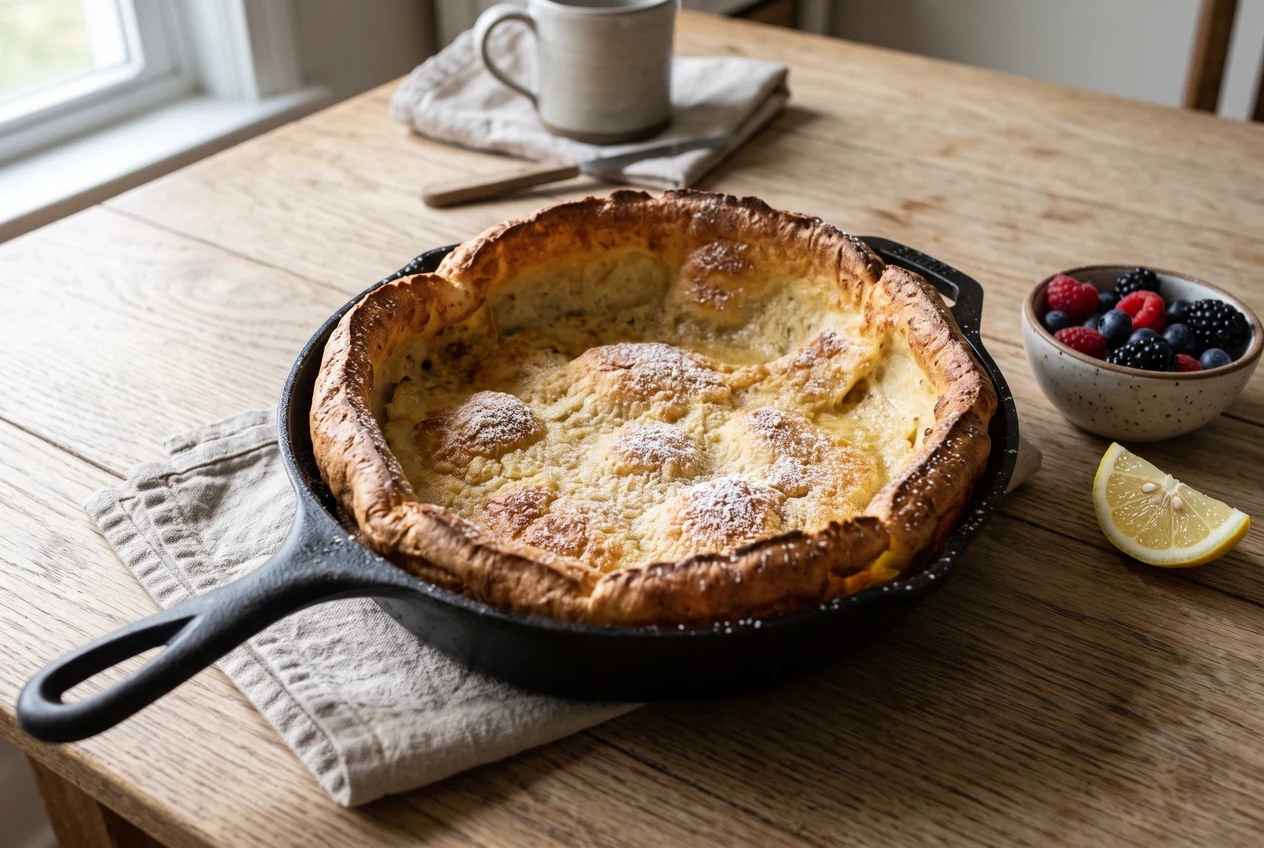
These protein pancakes come out fluffy and tender instead of rubbery, and they land at about 27g of protein a serving for roughly $1.16 a plate. The trick is that protein powder alone makes a dry, chalky pancake, so the batter is built on real flour with Greek yogurt and eggs carrying most of the work. The yogurt keeps the crumb moist and the acid gives the baking powder something to push against, which is where the rise comes from. The other half of the trick is heat: protein browns much faster than plain pancake batter, so these cook low and slow rather than on a ripping hot pan. A serving is three pancakes, which is a normal breakfast plate, not a token portion. They earn a spot in our high-protein meals collection, and if you want a baked breakfast instead, our German pancakes go in the oven.
Recipe from Budget Plates · https://www.budgetplates.com/protein-pancakes
In a large bowl, whisk together the flour, protein powder, baking powder, sugar, and salt until no streaks of powder remain. Protein powder clumps more than flour does, so break up any lumps now with the whisk. Lumps that survive this step turn into chalky pockets in the finished pancake.
In a second bowl, whisk the Greek yogurt, eggs, milk, and vanilla until smooth and pourable. The yogurt is thick, so whisk it with the milk first and then add the eggs, which keeps it from staying in clumps.
Pour the wet into the dry and stir with a spatula just until no dry flour is visible. The batter should be thick and drop slowly off the spatula, not pour like cream. A few small lumps are fine and mean you have not overmixed. Overmixing develops gluten and is the main reason protein pancakes turn out rubbery. Let the batter rest 5 minutes so the flour and protein powder hydrate, which is what keeps them from tasting dry. If it thickens past scoopable, stir in milk a tablespoon at a time.
Set a nonstick skillet or griddle over medium-low and melt a little of the butter. This is the step people get wrong. Protein powder and the milk sugars in the yogurt brown far faster than a normal pancake, so a medium-high pan gives you a dark crust over a raw center. The pan is ready when a drop of water sizzles quietly rather than skittering.
Scoop a scant 1/3 cup of batter per pancake and spread it gently into a 4-inch round. Cook 2 to 3 minutes, until the edges look dry and matte and bubbles form and stay open on the surface. These are thicker than normal pancakes, so give them the full time. Flip once and cook 1 to 2 minutes more, until the second side is golden and the pancake springs back when pressed lightly in the center. Do not press them flat, which squeezes out the rise you just built.
Repeat with the rest of the batter, adding a little butter between batches and adjusting the heat down if the pancakes are browning before the centers set. You should get 12 pancakes, which is 3 per serving. Serve hot, with syrup or fruit if you like.
Refrigerate cooled pancakes in an airtight container for up to 4 days, with parchment or wax paper between the layers so they do not stick together. Cool them fully first, or the trapped steam makes them soggy.
Freeze cooled pancakes in a single layer on a sheet pan, then bag them, for up to 3 months. They toast straight from frozen, which makes this an easy batch to double on a weekend.
Reheat in a toaster or toaster oven for the best texture, about 2 minutes, which crisps the outside again. A microwave works in 30 to 45 seconds but leaves them softer. Frozen pancakes need about a minute longer either way.
Estimates per serving, calculated from standard ingredient data. Protein powders vary by brand, so your protein number will shift with the product you use. Not a substitute for medical advice.
Almost always one of three things. Overmixing the batter develops gluten and makes them tough, so stir only until the dry flour disappears. Too much protein powder relative to flour dries out the crumb, which is why this recipe keeps a full cup of flour. And cooking too hot sets the outside before the middle, so the pancake keeps cooking to compensate and dries out. Medium-low heat and a 5-minute batter rest fix most of it.
About 27g per serving, and a serving is 3 pancakes out of the 12 the batch makes. That figure comes from the flour, protein powder, Greek yogurt, eggs, and milk, calculated from standard food data. Protein powders differ quite a bit between brands, so check the label on yours if you want an exact number for your own batch.
Yes, though they will not be as high in protein. Leave the powder out, raise the flour to 1 1/2 cups and the Greek yogurt to 1 1/2 cups, and cook them the same way. That version comes out around 16g of protein a serving, which is good for a pancake but under the 25g standard we use for the high-protein collection.
A vanilla whey or whey blend is the most forgiving, because it mixes smoothly and browns predictably. Plant-based powders like pea or rice work but soak up more liquid and taste more strongly, so thin the batter with extra milk and add a little more vanilla. Whichever you use, whisk it into the dry ingredients first so it does not clump.
About $4.64 for the flour, protein powder, Greek yogurt, eggs, milk, butter, and pantry seasonings, divided across four servings, which comes to roughly $1.16 each. The protein powder is far and away the biggest line at about $1.80.
As an Amazon Associate, Budget Plates may earn from qualifying purchases.
This one is also part of our American Comfort Classics collection.