Dessert
$0.28per plate
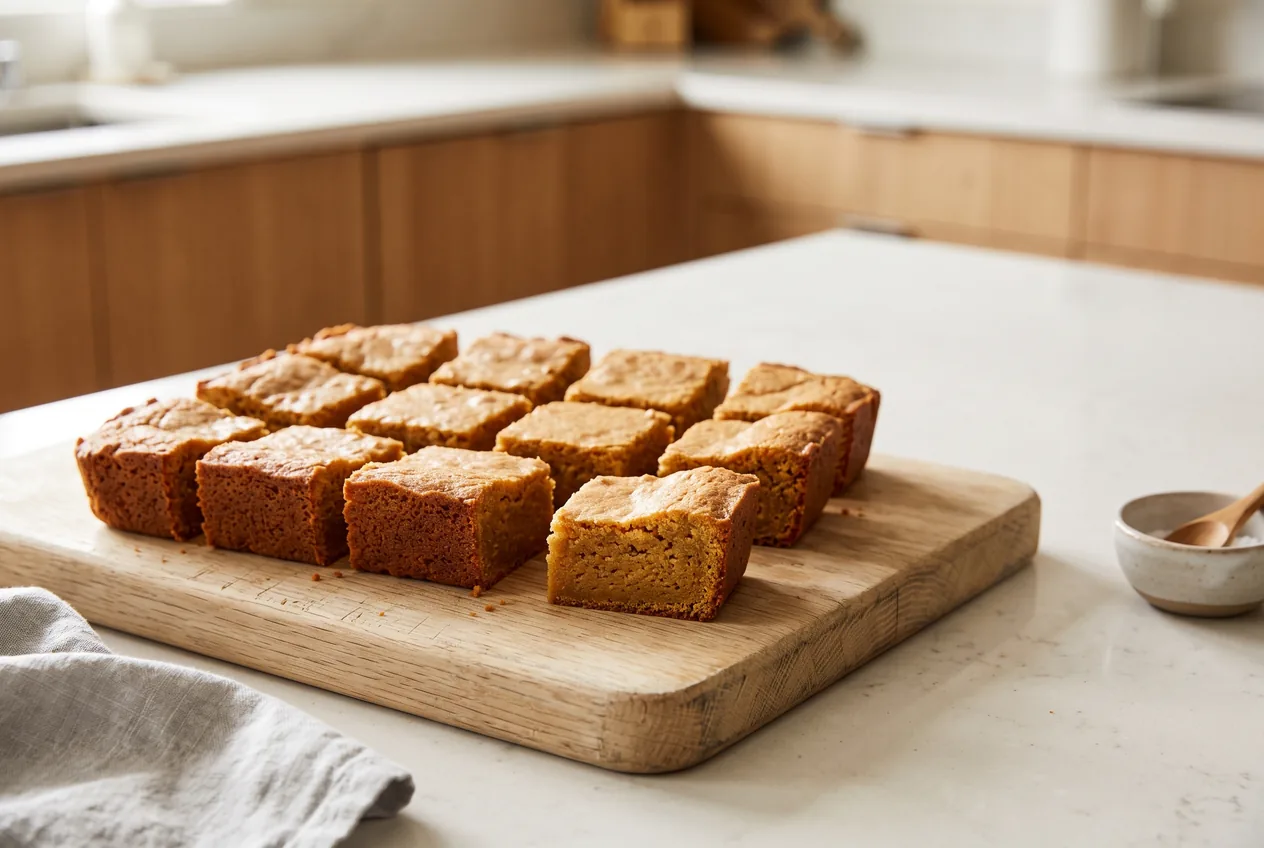
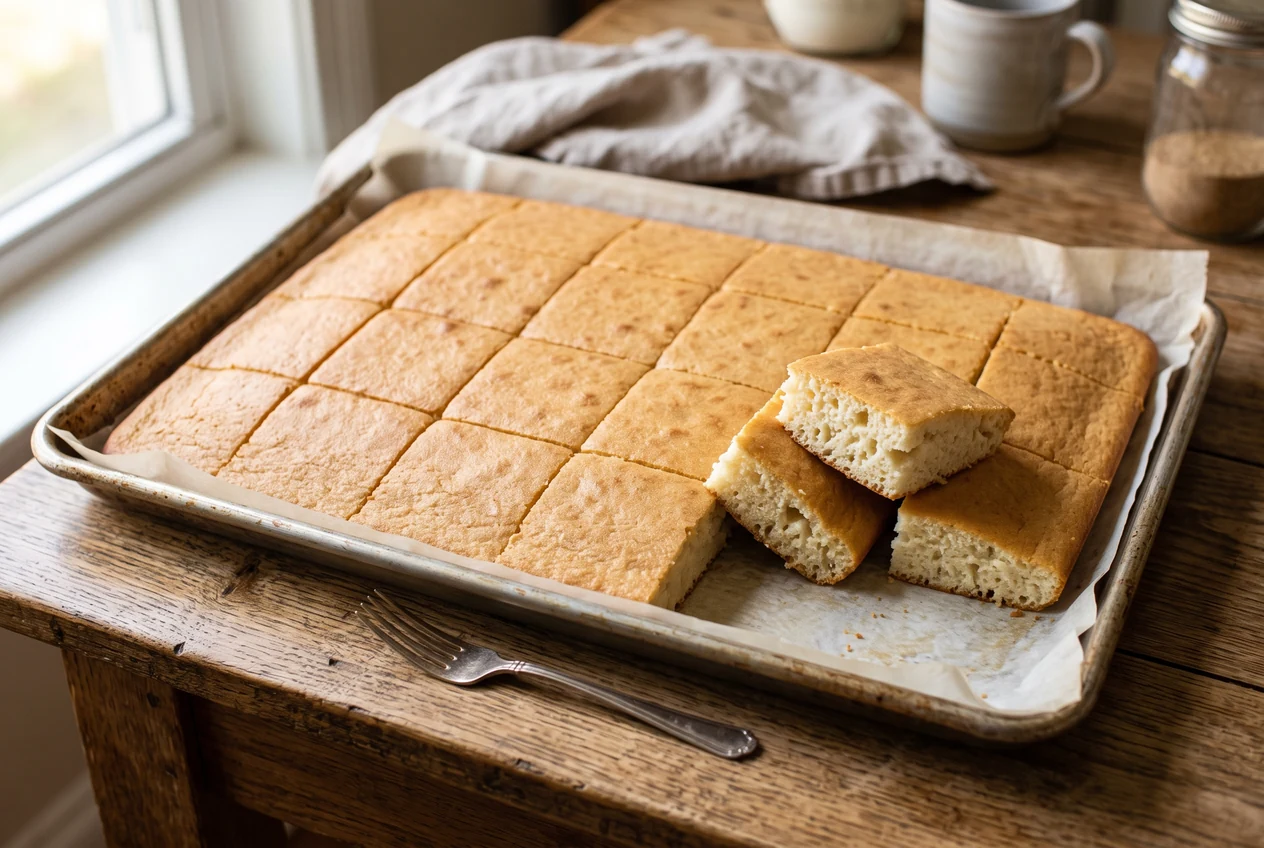
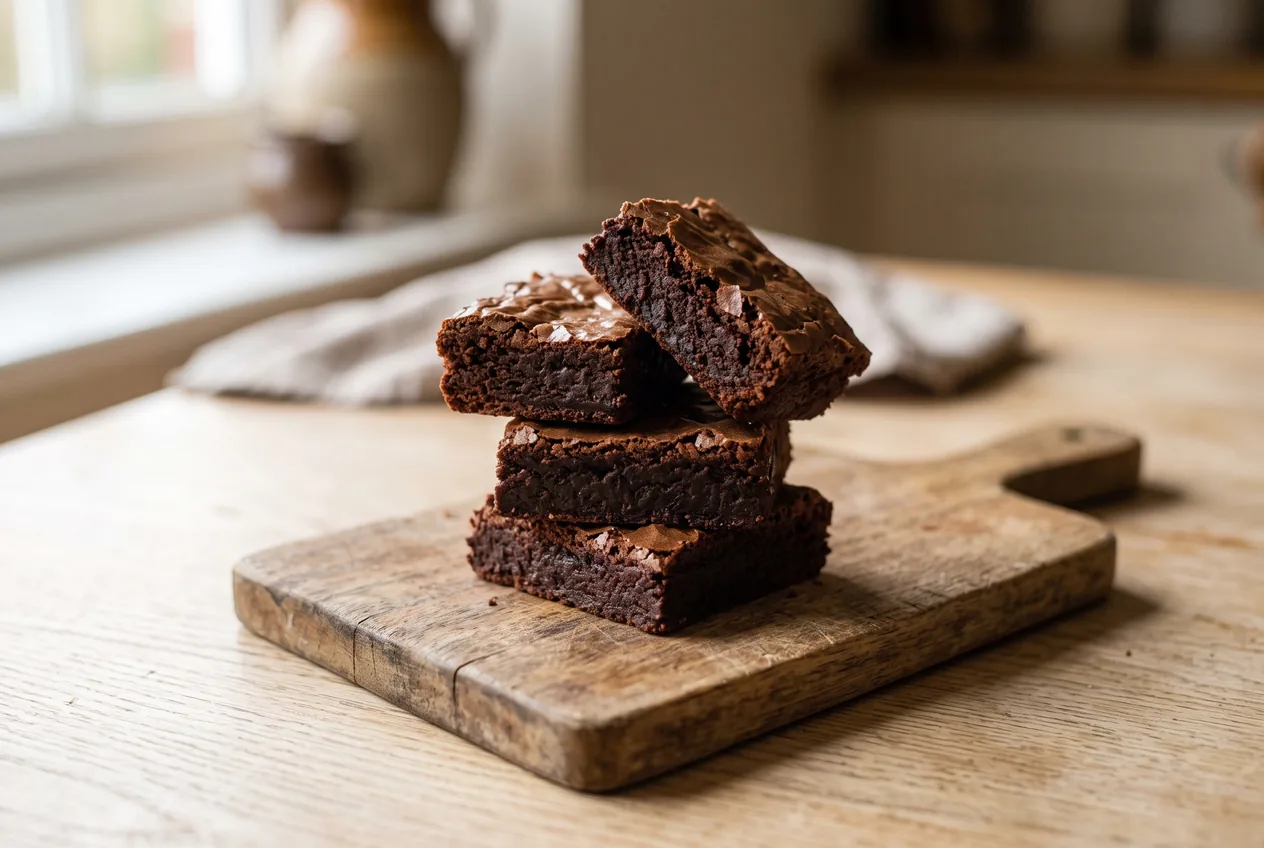
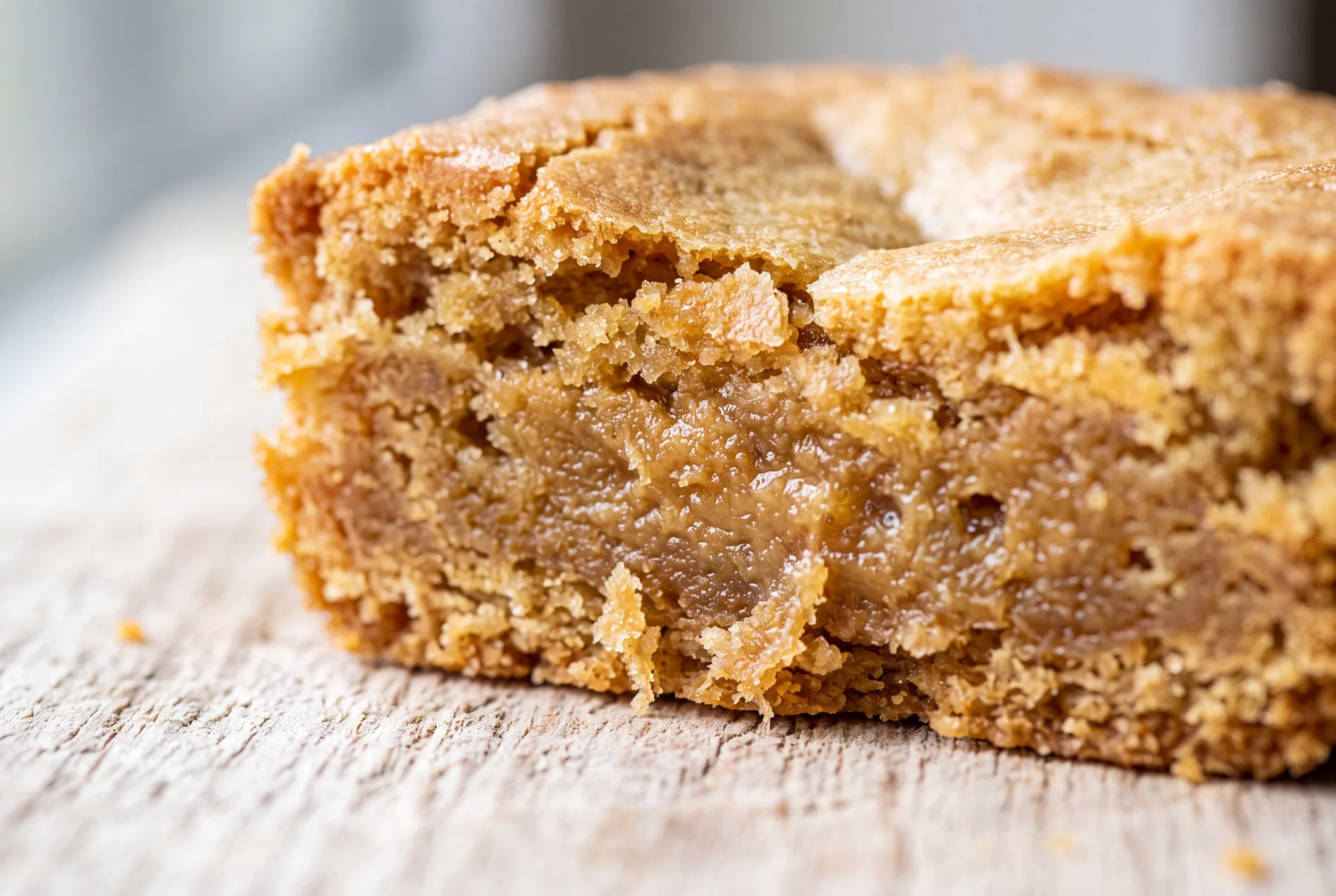
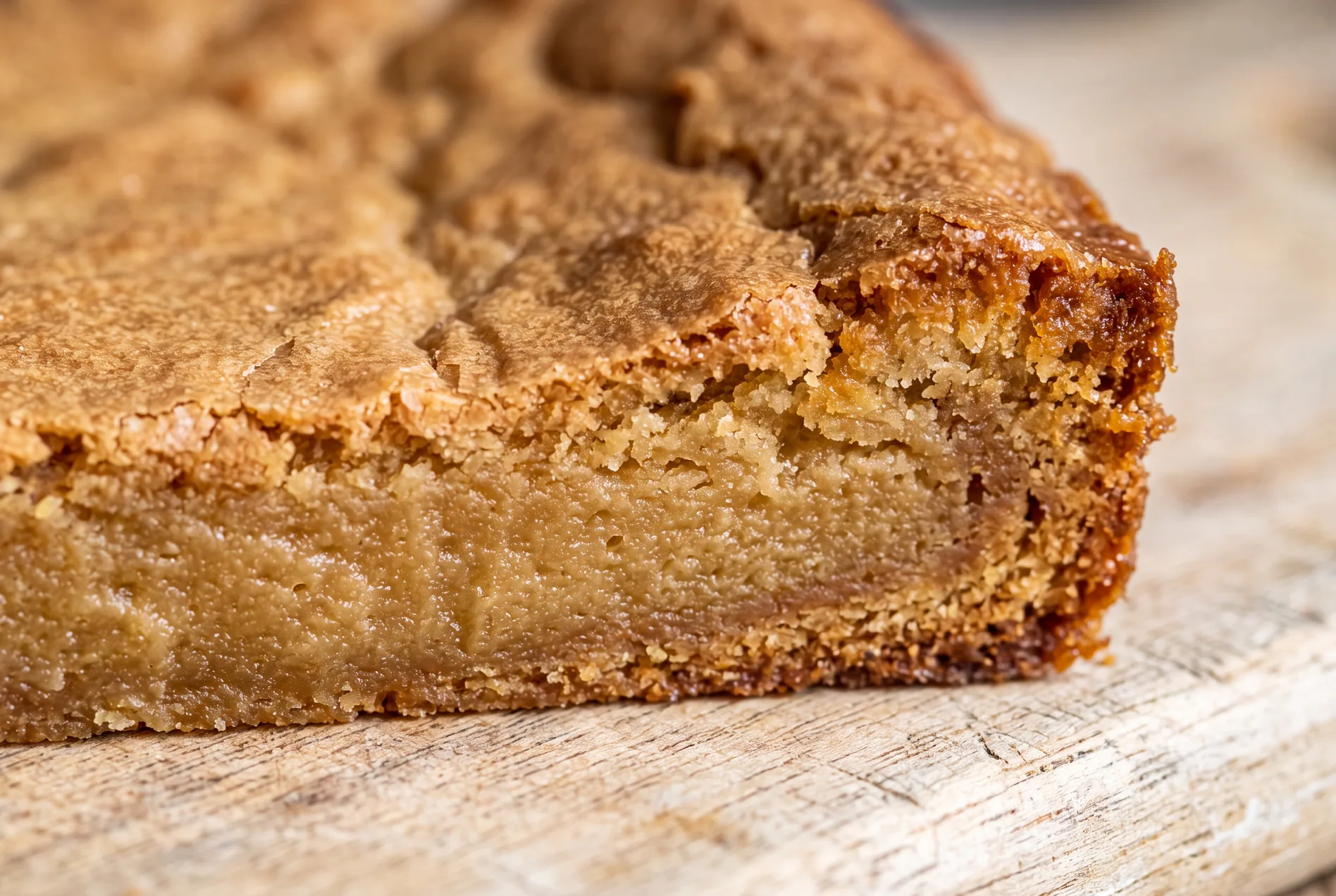
Blondies are not brownies with the cocoa left out, and that is the single most useful thing to know before making them. A brownie gets its character from chocolate; a blondie gets its character from brown sugar and butter cooked together, which is where the butterscotch flavour comes from. They cost about $0.14 each here, which makes them the cheapest thing in our dessert section by a distance, because there is no chocolate in the base at all. Three choices keep them chewy rather than cakey. The butter is melted and whisked in rather than creamed, because creaming beats air into the batter and air is what makes a bar rise and go crumbly. There is baking powder but no baking soda, since soda pushes the same way toward light and airy. And there is an extra egg yolk with no extra white, which adds fat and richness without the puff that egg whites bring. The last one is patience: they have to cool completely before you cut them.
Recipe from Budget Plates · https://www.budgetplates.com/blondies
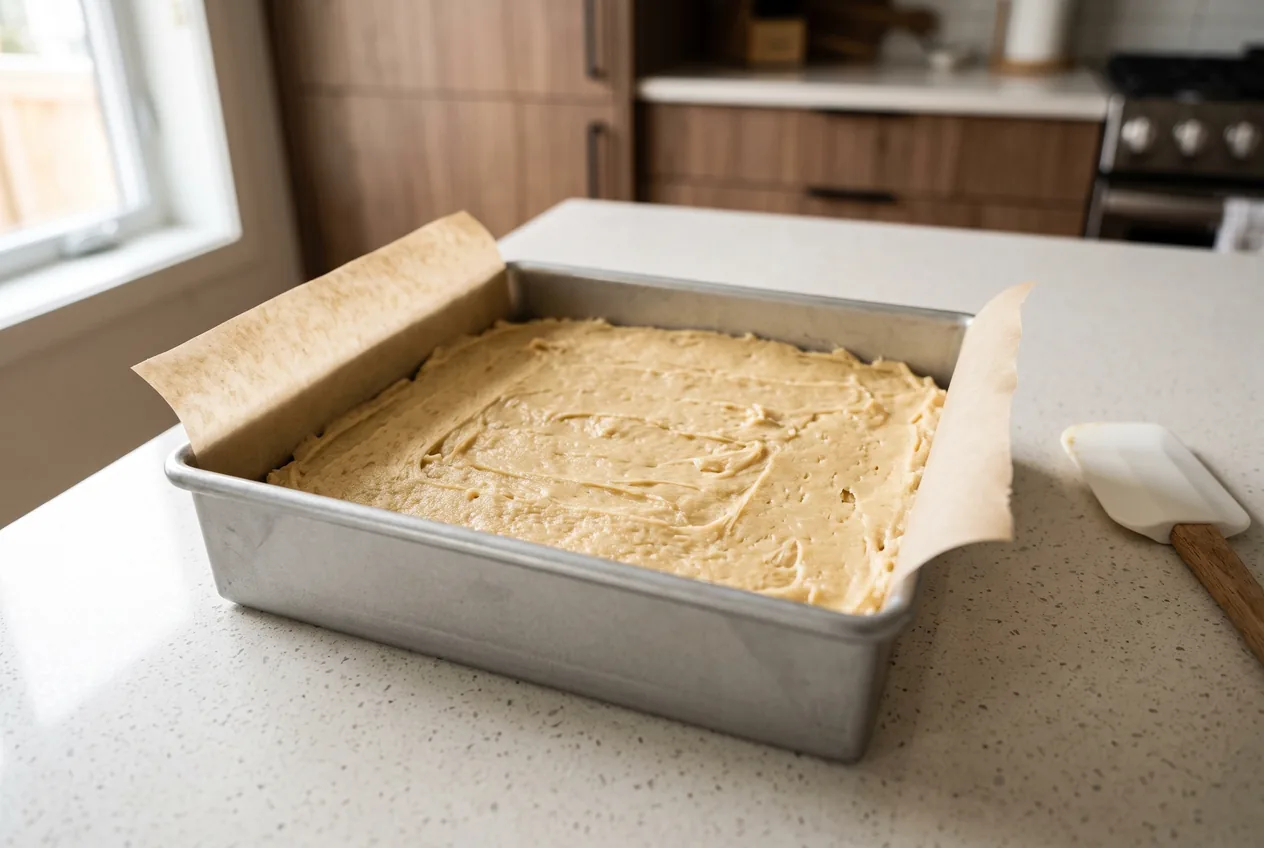
Heat the oven to 350 F with a rack in the middle. Line an 8-inch square metal pan with parchment, letting it hang over two opposite sides to make a sling you can lift the whole slab out by later. Metal is worth using here. Glass holds heat and keeps cooking the edges after the pan comes out, which is how blondie edges end up dry and hard while the middle is still soft.
Melt the butter and set it aside for about 5 minutes so it is warm rather than hot. There is no creaming in this recipe, which is deliberate: creaming butter and sugar beats air into the batter, and that air is what makes a bar rise, dry out and turn cakey. Melted butter gives you a dense, chewy crumb instead. Butter straight off the heat will start to cook the egg, so give it the five minutes.
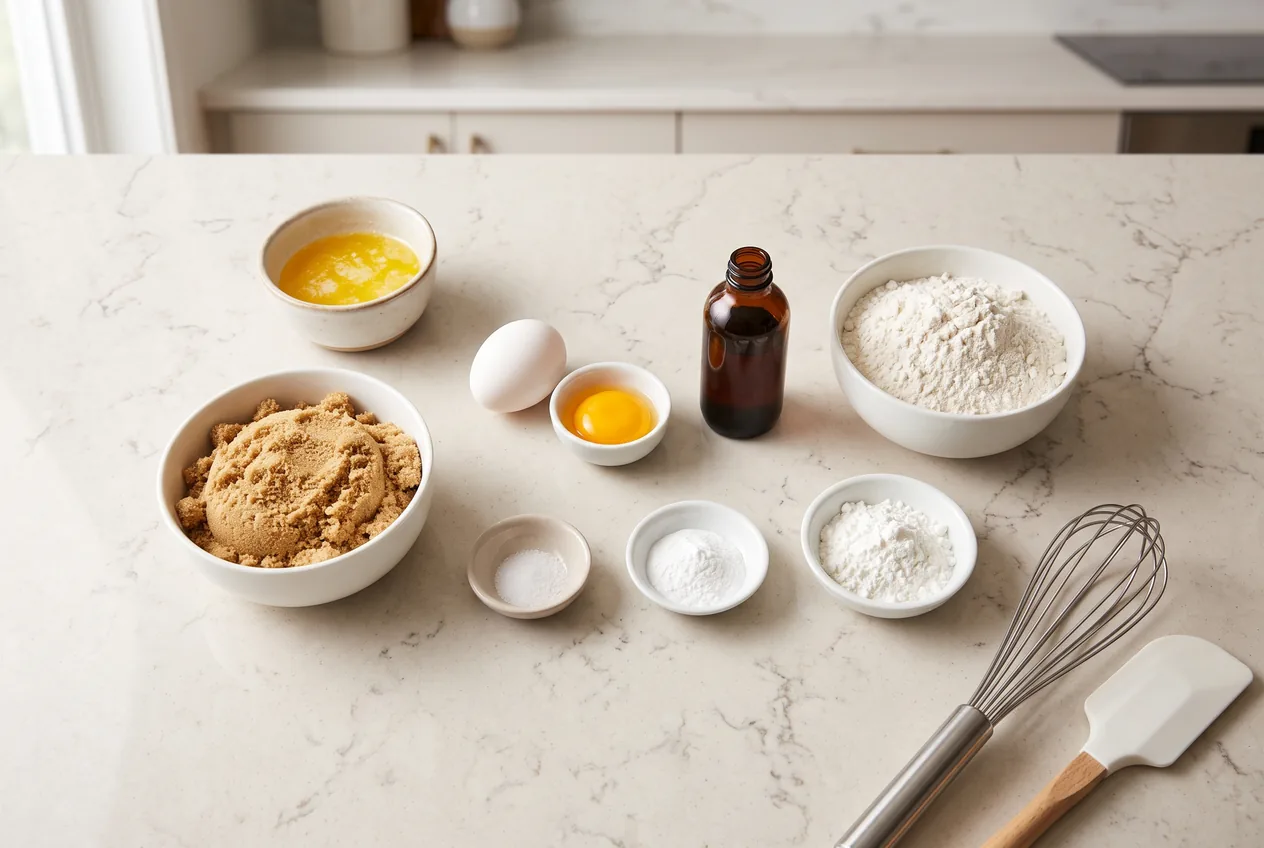
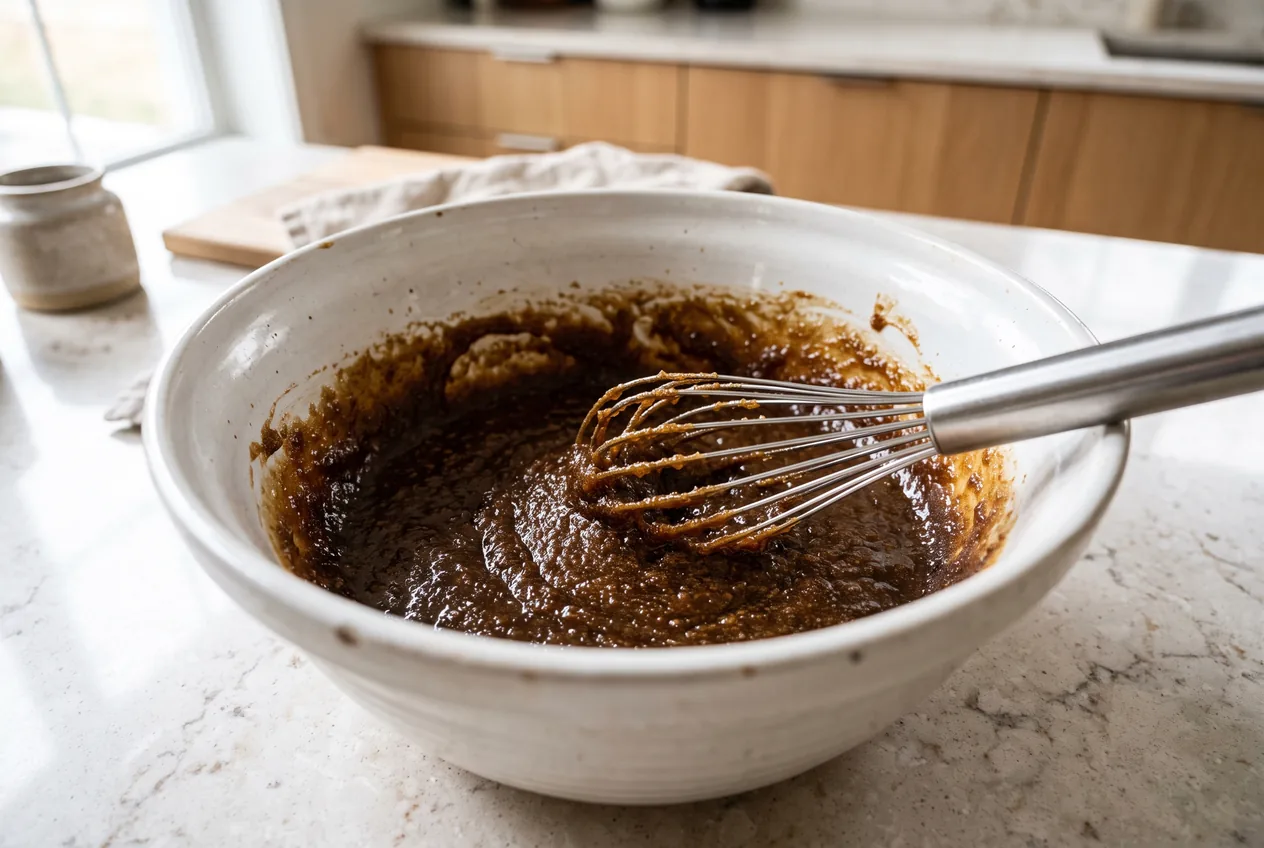
Whisk the melted butter into the brown sugar for about a minute, until it looks like thick, glossy wet sand. It should stay dark and dense, not turn pale and fluffy. Light brown sugar is doing the flavour work here: the molasses in it is what gives blondies their butterscotch note, and it is the reason there is no granulated sugar in the list at all.
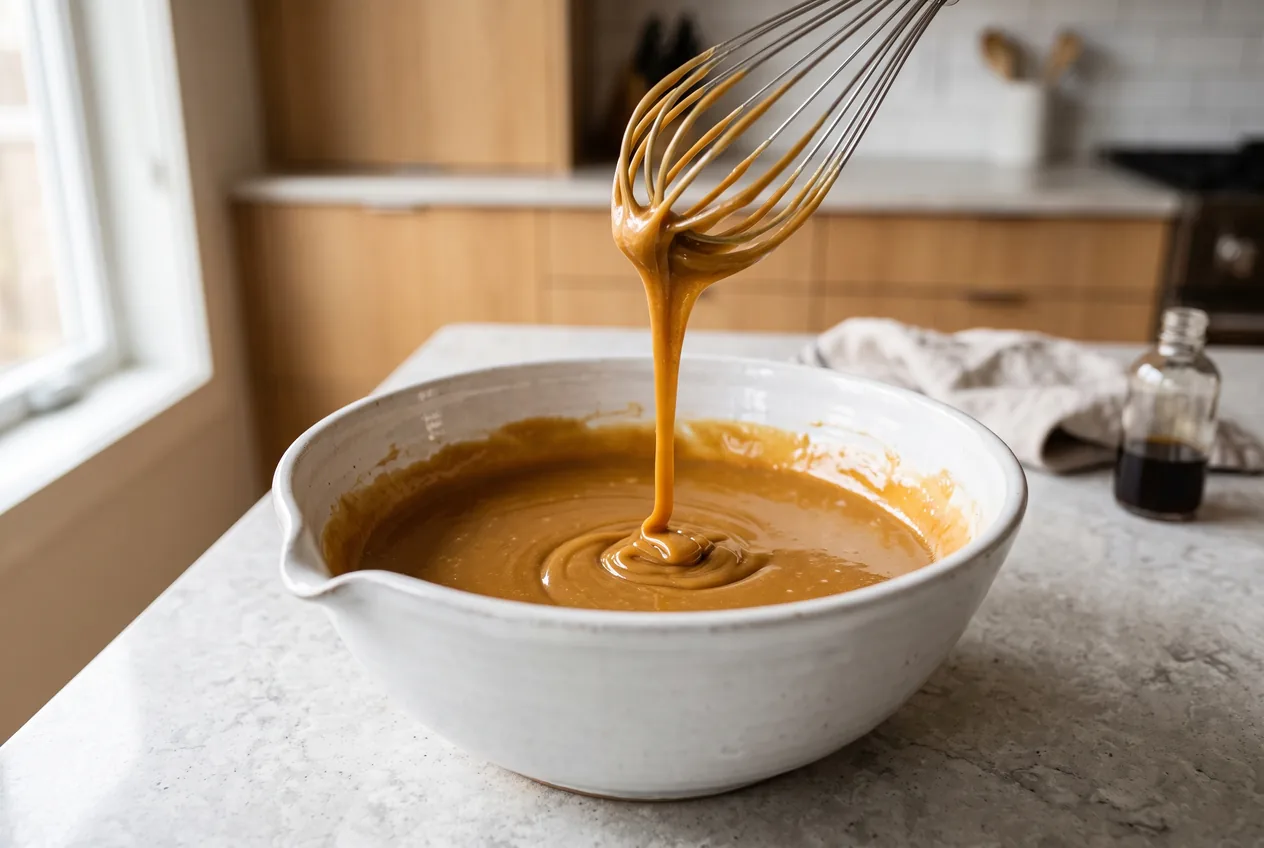
Whisk in the whole egg, the extra yolk and the vanilla until the mixture turns smooth and satiny and ribbons off the whisk. The extra yolk is there for fat and richness without the extra white, because egg whites puff a bar up and push it toward cake. Use a generous 2 teaspoons of vanilla: with no chocolate in the recipe, vanilla and brown sugar are carrying the entire flavour.
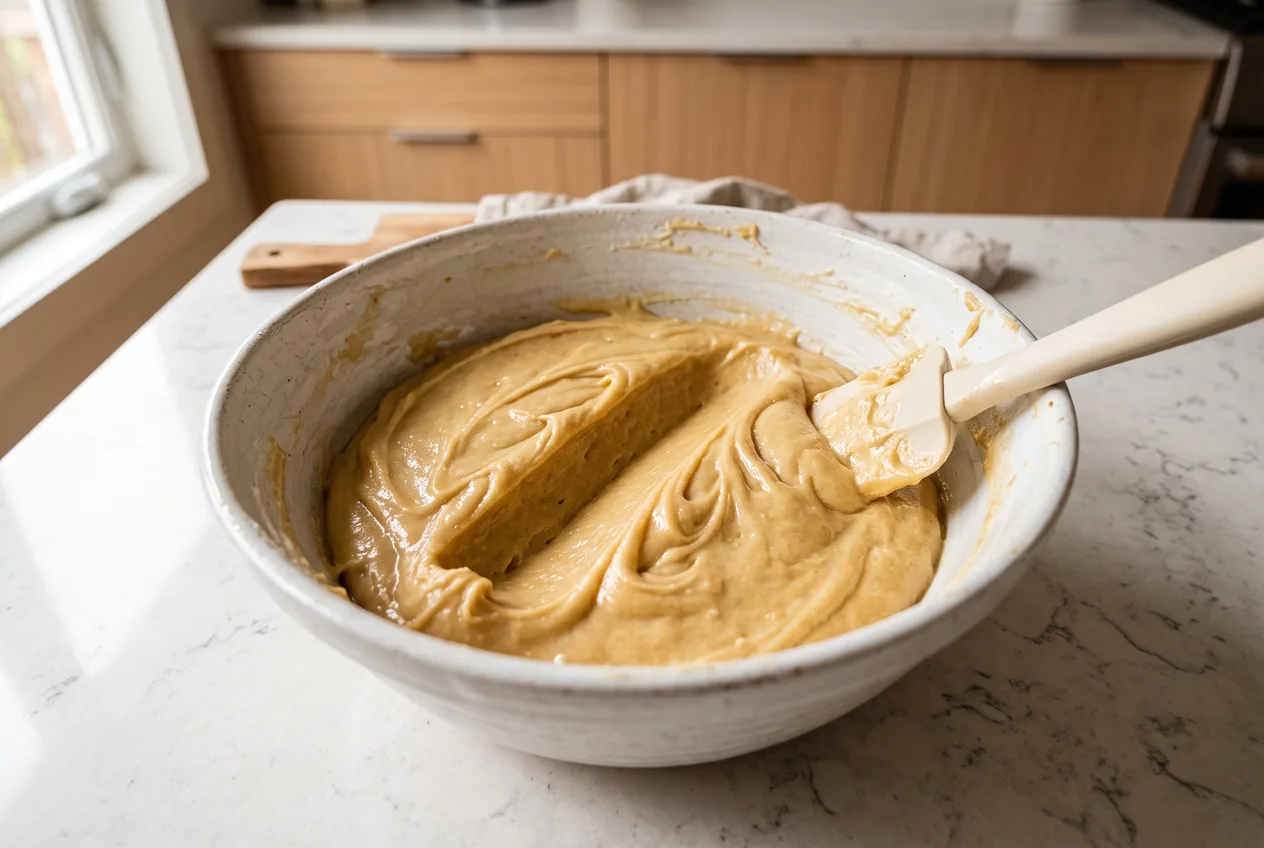
Add the flour, cornstarch, baking powder and salt, and fold with a spatula only until the last streak of flour disappears, about 20 strokes. The cornstarch softens the flour's protein slightly and keeps the bars tender. Baking powder, and only a half teaspoon, gives just enough lift to stop them being solid; baking soda would push them toward light and cakey, which is why there is none. Overmixing from here builds gluten and makes them tough.
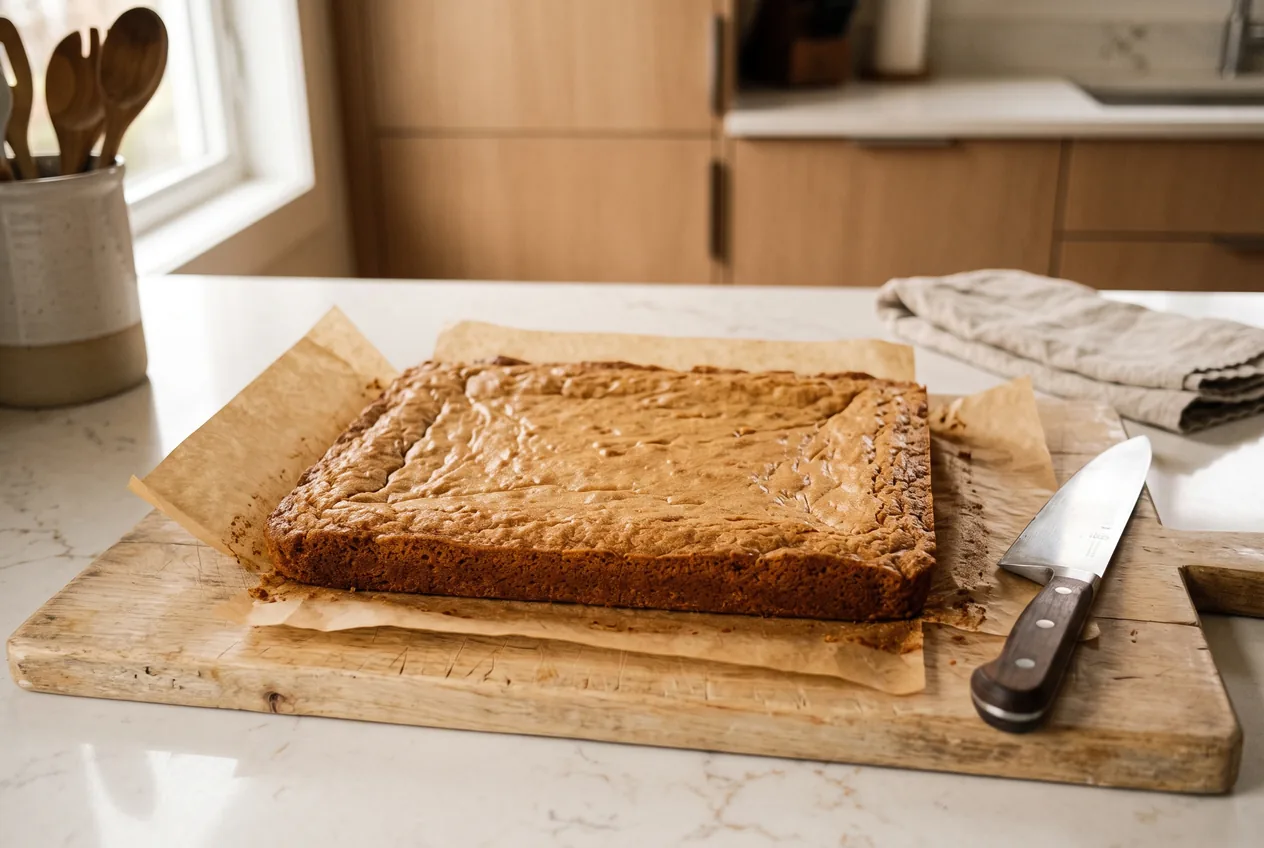
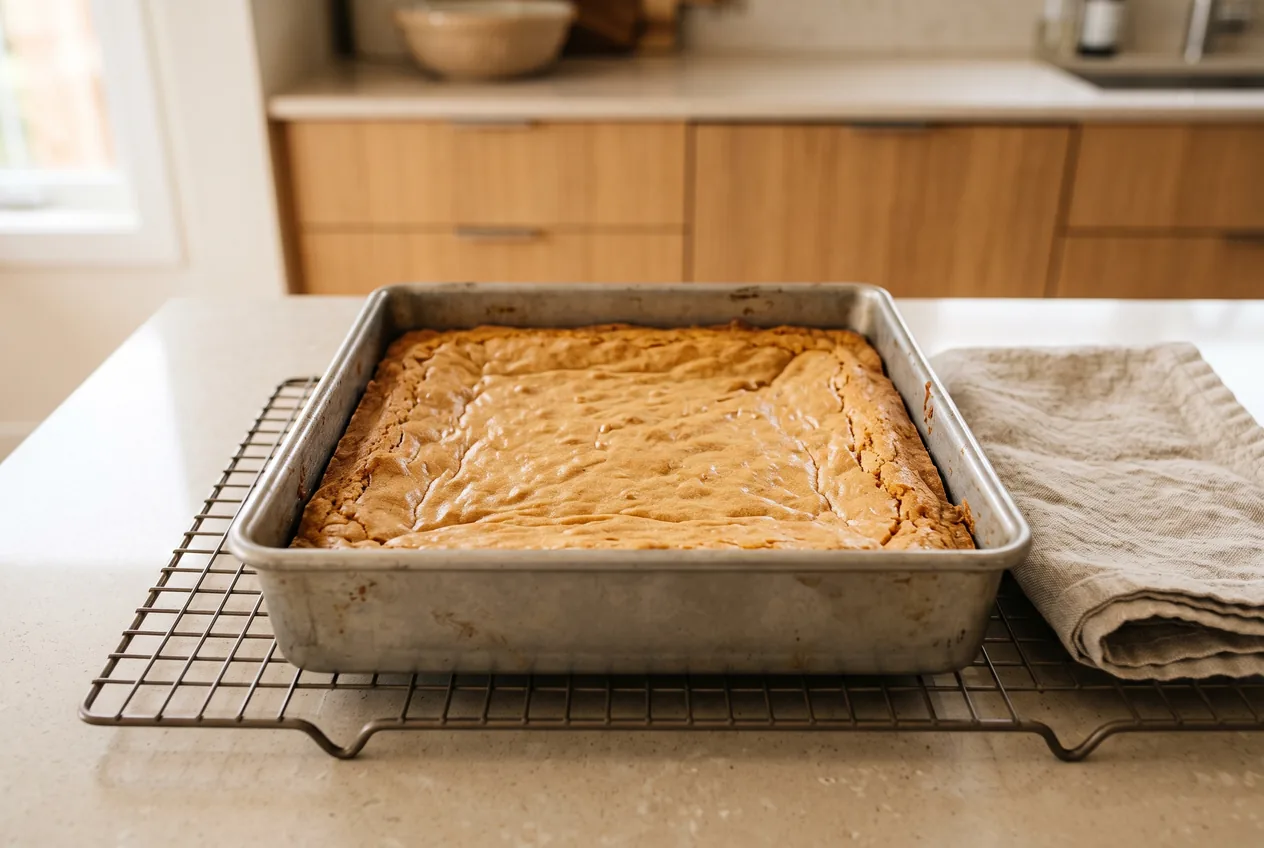
Scrape the batter into the pan and push it into the corners with the spatula; it is thick and will not pour or level itself. Bake for 20 to 25 minutes. They are ready when the top is set and lightly crinkled, the edges are golden and just pulling from the pan, and a skewer in the centre comes out with a few moist crumbs. The middle will still look slightly underdone, and it should: blondies carry on cooking in the hot pan for several minutes after they come out.
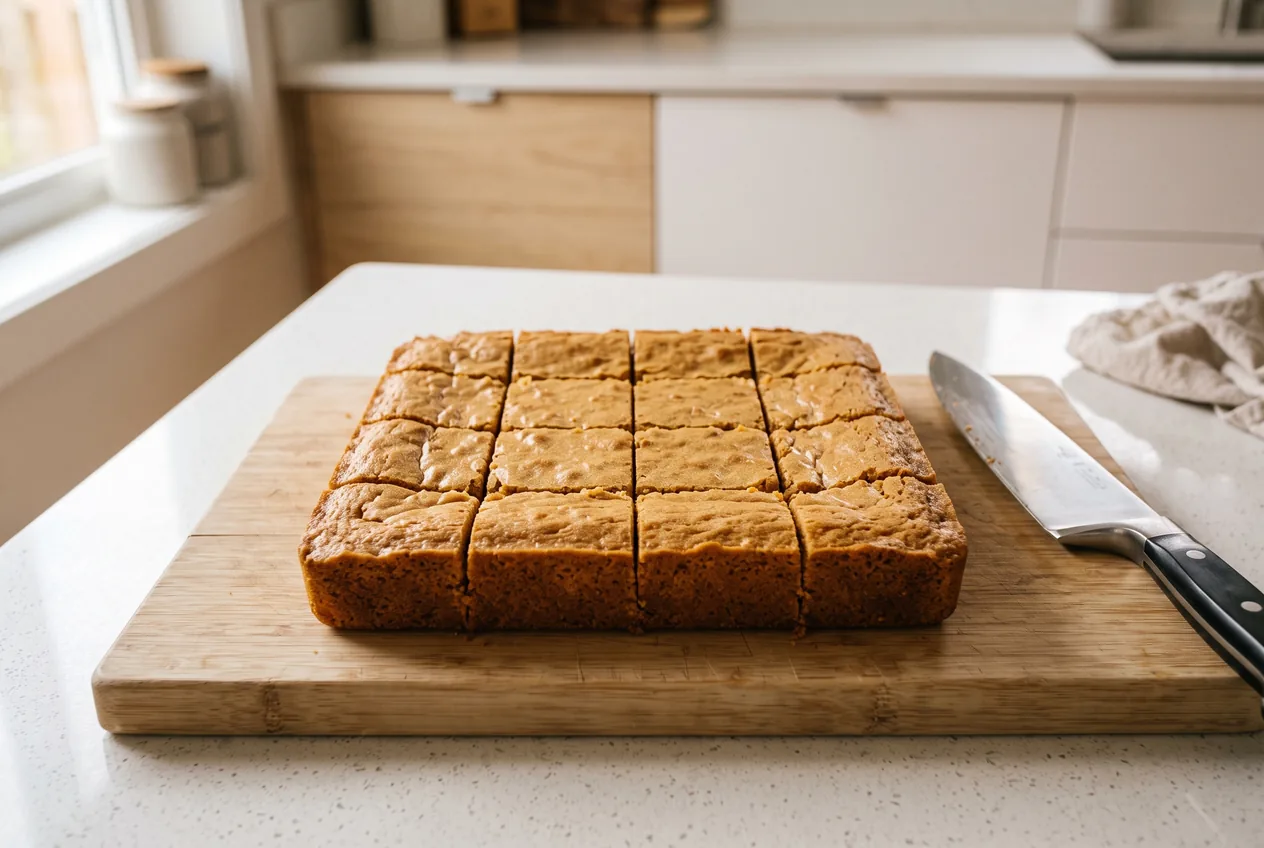
Leave the pan on a rack and cool completely, about 90 minutes. This is not optional. Warm blondies tear instead of cutting, and the centre tastes greasy until the butter has set back up. Lift the slab out by the parchment and cut 4 by 4 for 16 bars, wiping the knife between cuts.
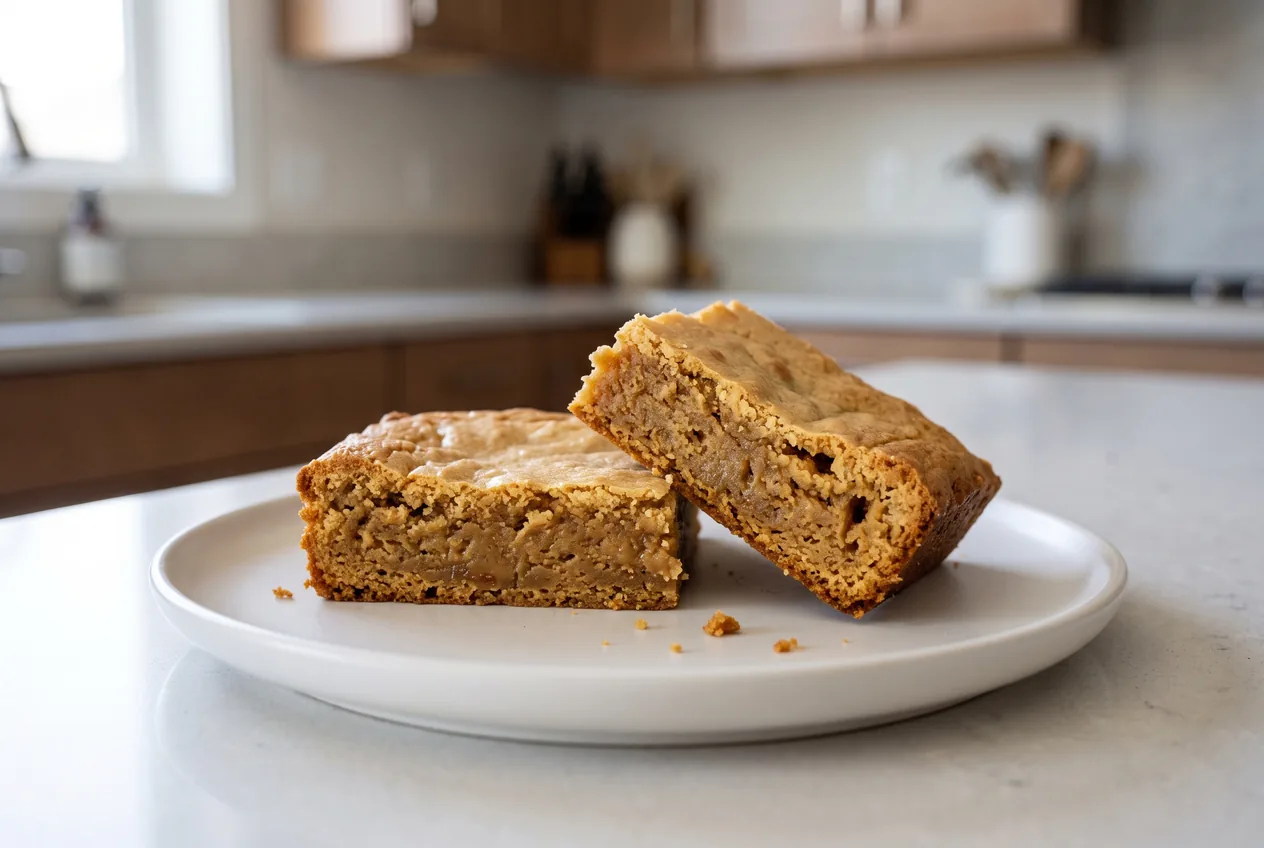
Keep cut blondies in an airtight container at room temperature for up to 4 days. They are chewiest on day one and day two. After that they firm up as the sugar recrystallises; a slice of sandwich bread in the container slows that down noticeably, because the bars draw moisture from the bread instead of giving up their own. Do not refrigerate them, which makes them hard and dulls the butterscotch flavour.
They freeze well for up to 3 months, cut and layered with parchment in an airtight container, or as an uncut slab if you have the space. Thaw at room temperature for about an hour. Unlike a gelatin or custard dessert, nothing in a blondie separates on thawing, so the texture comes back almost exactly.
Not needed, but 8 seconds in the microwave brings a day-three blondie back to something close to day one. Any longer and the sugar heats past comfortable while the crumb stays firm.
Estimates per blondie, based on 16 bars from an 8x8 pan, calculated from standard ingredient data. Not a substitute for medical advice.
A blondie is a chewy baked bar built on brown sugar and butter instead of chocolate. The flavour people describe as butterscotch or caramel comes from the molasses in brown sugar cooked with butter, not from any added butterscotch. It is served cut into squares from a pan like a brownie, which is where the confusion between the two comes from.
They are not the same batter with the cocoa swapped out, which is the usual assumption. A brownie is built around chocolate, so it uses granulated sugar and gets its structure and flavour from cocoa and melted chocolate. A blondie has no chocolate in the base at all, and uses brown sugar as both the sweetener and the flavour. Swap the cocoa out of a brownie recipe and you get a dry, pale bar, not a blondie.
Air, almost always. The two ways it gets in are creaming the butter instead of melting it, and using baking soda instead of baking powder. This recipe avoids both. The third cause is beating the batter after the flour goes in, which builds gluten and pushes the crumb toward bread. Fold only until the flour disappears and then stop.
Usually they were cut warm. Butter is liquid at baking temperature and sets as the bars cool, so a blondie cut too early leaves grease on the knife and feels oily. Give them the full 90 minutes. Genuinely greasy cooled blondies point elsewhere: butter that was still hot when it met the sugar, which stops the two combining properly.
Use three cues rather than the clock. The top should be set and lightly crinkled all over, the edges golden and just pulling away from the pan, and a skewer in the middle should come out with a few moist crumbs on it. The centre still looking slightly underdone is correct, because the hot pan keeps cooking them for a few minutes after they come out.
You can, with an adjustment. Glass heats slowly and then holds that heat, so it keeps baking the edges after the pan leaves the oven and tends to leave them dry and hard. If glass is what you have, drop the oven to 325 F, start checking at 22 minutes, and take the pan out at the earlier end of the doneness cues. Metal is the better tool for a bar this thin.
Yes, and it is the most common addition. Fold in 3/4 cup and hold back a tablespoon to press into the surface, since chips added to a thick batter tend to settle. Worth being clear though: chocolate chip blondies are a variation. The plain version above is what the word blondie actually describes, and it is also what keeps the cost at 14 cents a bar.
Yes, one for one. Dark brown sugar has roughly twice the molasses, so the bars come out darker with a deeper, almost toffee-like flavour. Light brown is the default here because it lets the butter come through rather than burying it, but neither is wrong.
Because the butter has not set yet. A warm blondie is structurally still a soft batter held together by heat, so the knife drags and tears it instead of cutting, and the centre reads greasy on the tongue. Ninety minutes on a rack is the difference between clean squares and a pan you serve with a spoon.
Because of the sugar. The shiny paper-thin crust on a brownie is dissolved granulated sugar that rises to the surface and dries there, and this recipe uses only brown sugar, which carries enough extra moisture that the surface never dries out that way. A blondie top should be matte and lightly crinkled instead. Adding white sugar to chase the shine would cost you the butterscotch flavour that makes it a blondie.
Yes, for up to 3 months. Freeze them cut, layered with parchment in an airtight container, and thaw at room temperature for about an hour. Nothing in the recipe separates or weeps on thawing, so unlike a custard or gelatin dessert they come back very close to how they went in.
Four days in an airtight container at room temperature, best on the first two. They firm up over time as the sugar recrystallises rather than going stale in the usual sense. A slice of sandwich bread in the container slows it down, and eight seconds in the microwave undoes most of it.
As an Amazon Associate, Budget Plates may earn from qualifying purchases.